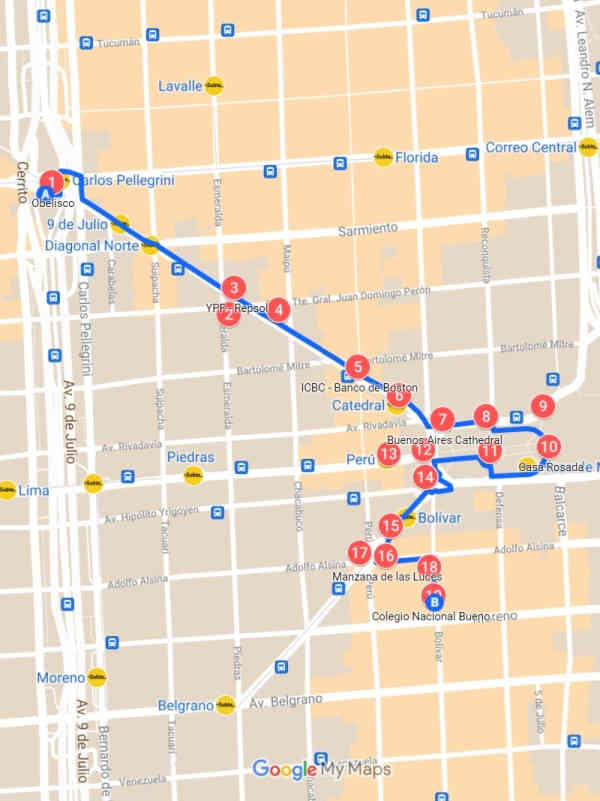


















This tour is free so everyone can enjoy it. But behind it are hours of preparation, passion, and love for this city. If you felt you discovered something special today, help us keep sharing it. With your donation, you make this possible. Thank you for valuing our work.
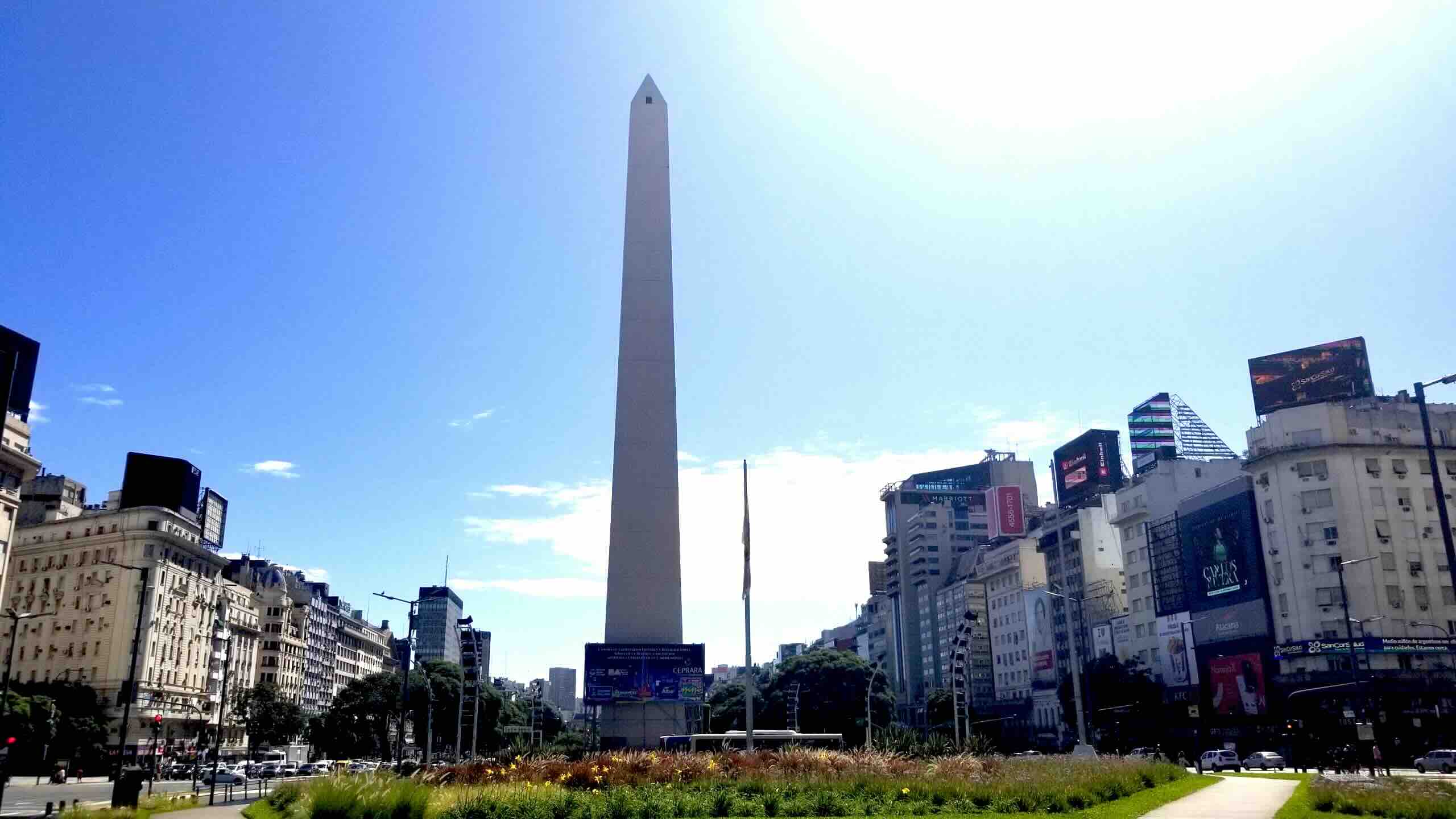




The Obelisk of Buenos Aires, an icon of the city, was built in 1936 to commemorate the 400th anniversary of its first founding. Designed by architect Alberto Prebisch, it stands 67.5 meters tall and is located in the Plaza de la República, at the intersection of Corrientes and 9 de Julio avenues. It was erected on the site of the former San Nicolás de Bari church, from whose tower the Argentine flag was first raised in 1812.
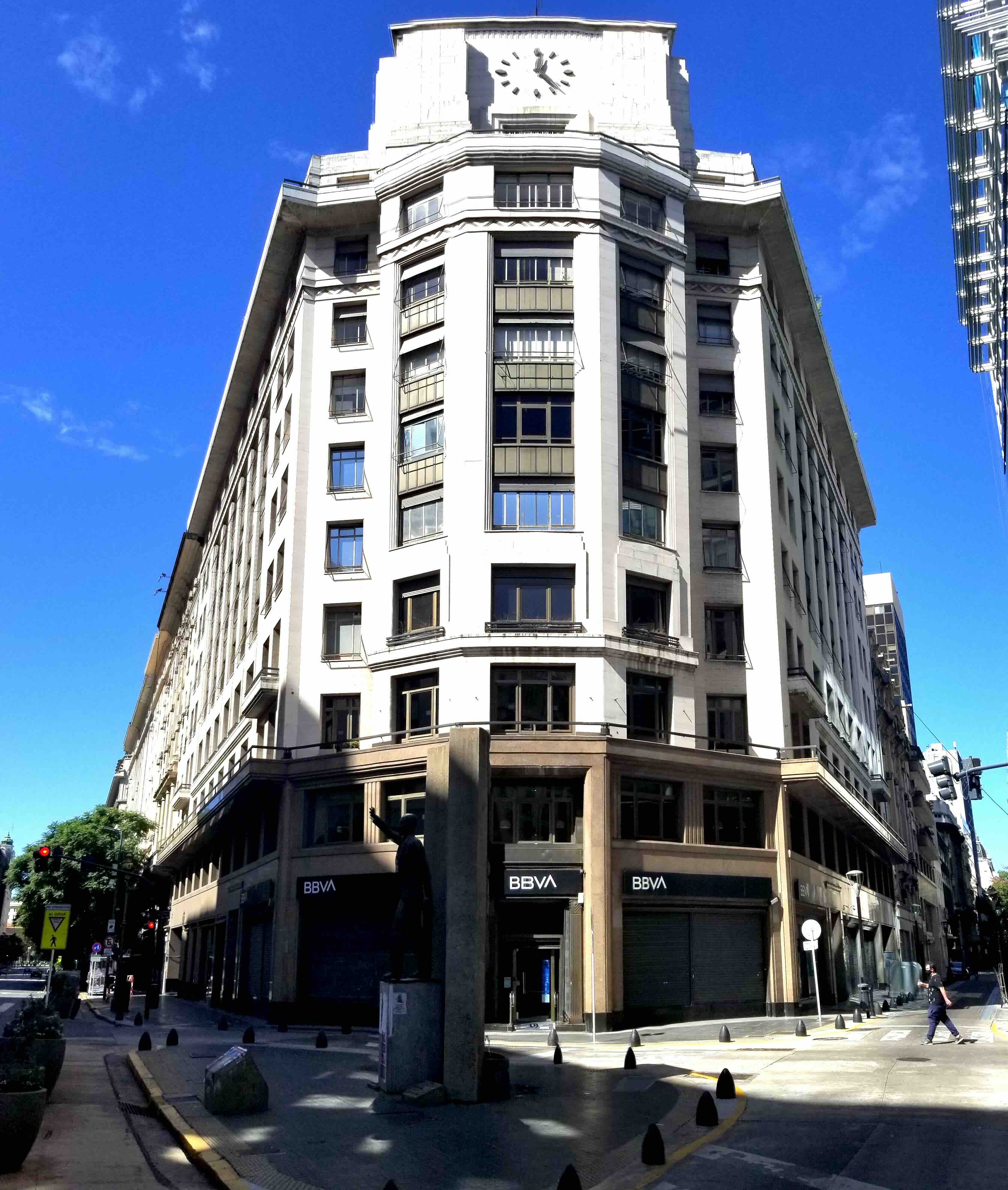
The Shell Mex Building, located in the San Nicolás neighborhood of Buenos Aires, was built in 1936 as the headquarters of Shell in Argentina. Designed in the Art Deco style by architects Calvo, Jacobs, and Giménez, it was inspired by Shell’s London headquarters completed in 1931. It occupies a prominent corner and is topped by a clock similar to that of its London counterpart. Today, it houses the Ministry of Deregulation and State Transformation and stands as an example of corporate architecture with a global identity.
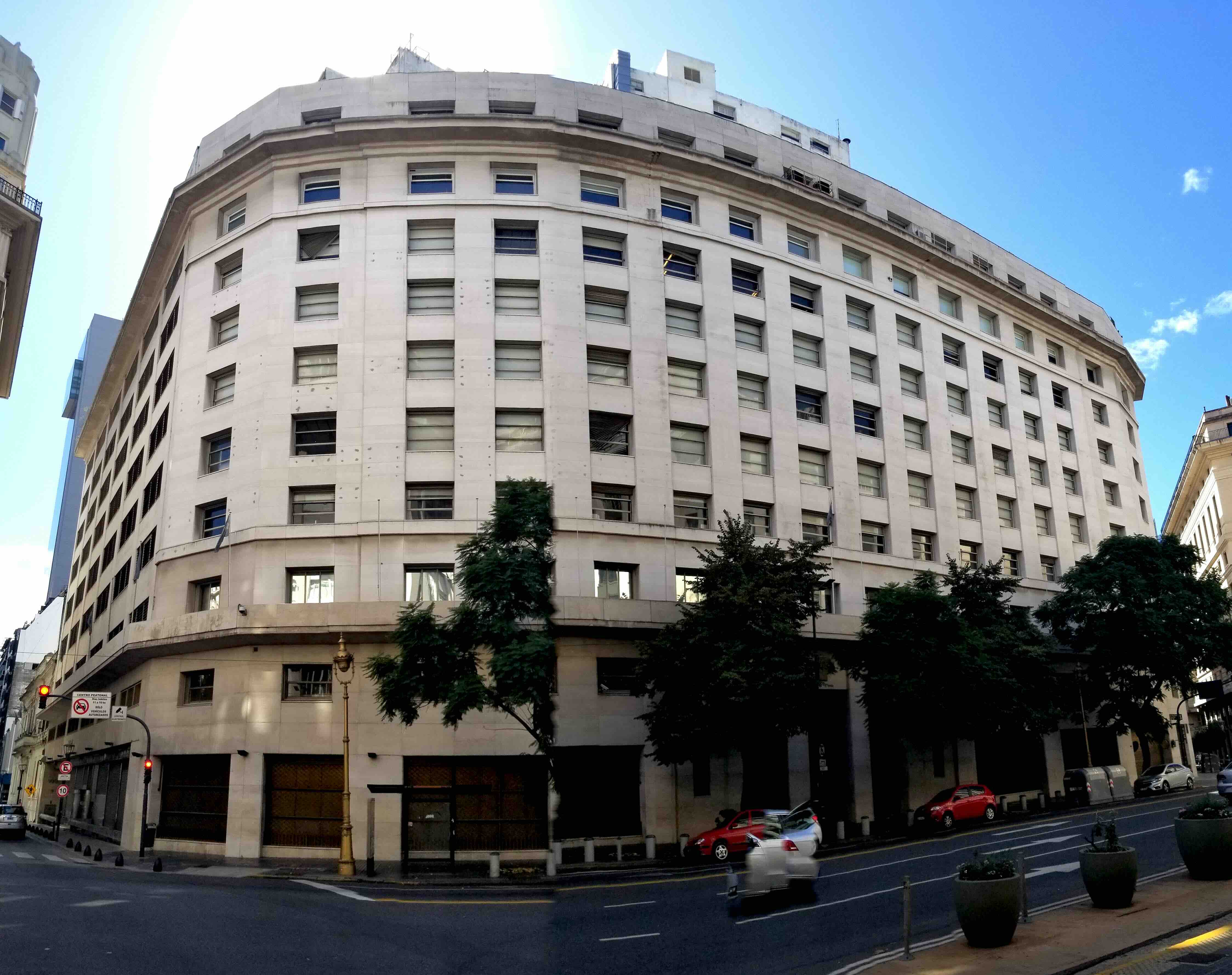
The YPF Building, located on Roque Sáenz Peña Avenue in Buenos Aires, served as the headquarters of Yacimientos Petrolíferos Fiscales from 1938 to 2008. Designed by engineer Eduardo Saubidet Bilbao and built in record time, it was expanded in the 1960s. In 2010, it was declared a National Historic Monument, and since 2011 it has housed Accenture's Buenos Aires offices.
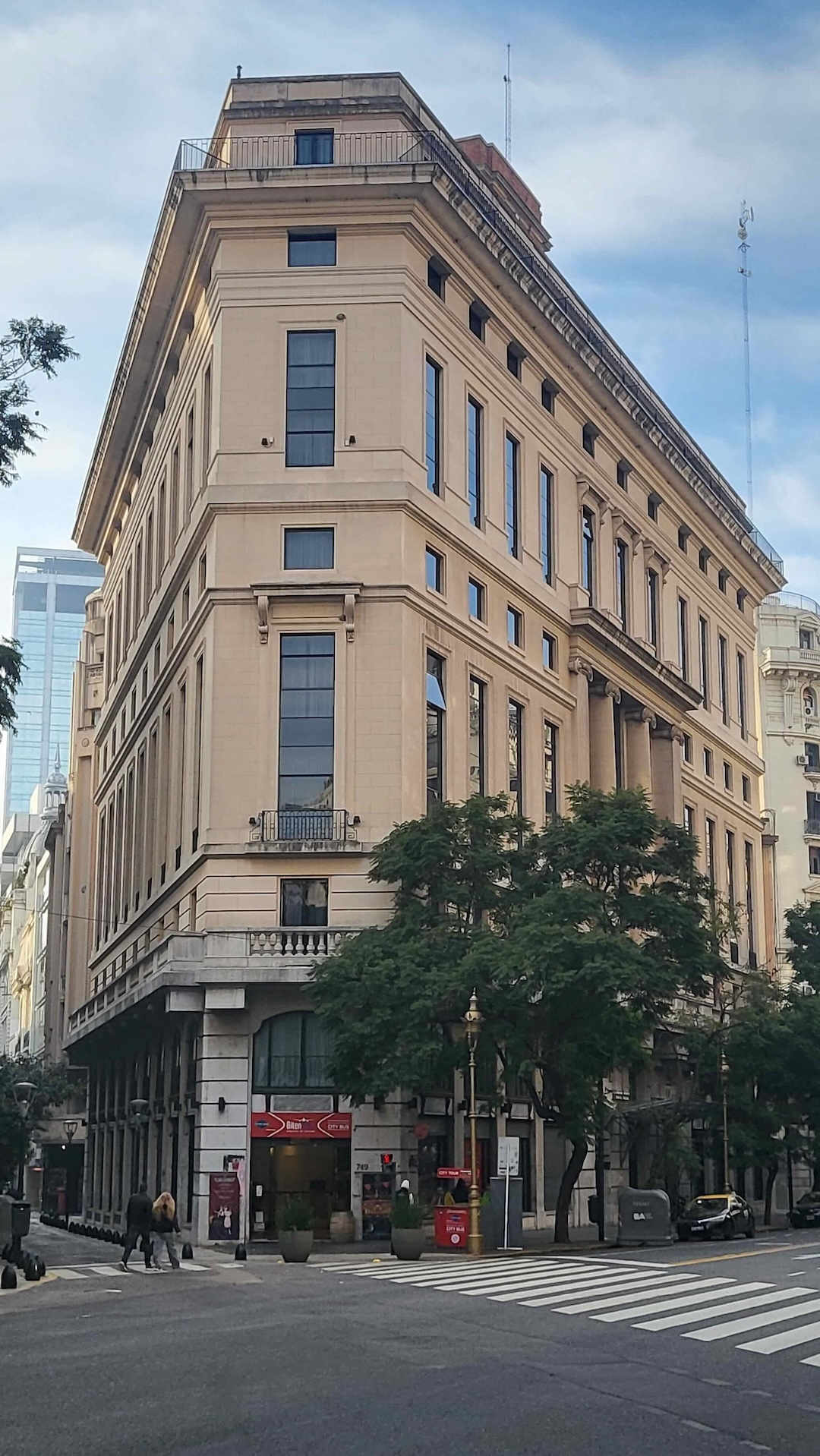
The 725 Continental Hotel, located at 725 Roque Sáenz Peña Avenue in Buenos Aires, was designed by Alejandro Bustillo in 1927 for the insurance company “La Continental” and inaugurated in 1931. Featuring a neoclassical style with French influences, the triangular building originally housed 186 rooms, offices, and a café. It was renovated in 2005 and granted heritage protection in 2010 for its architectural value.
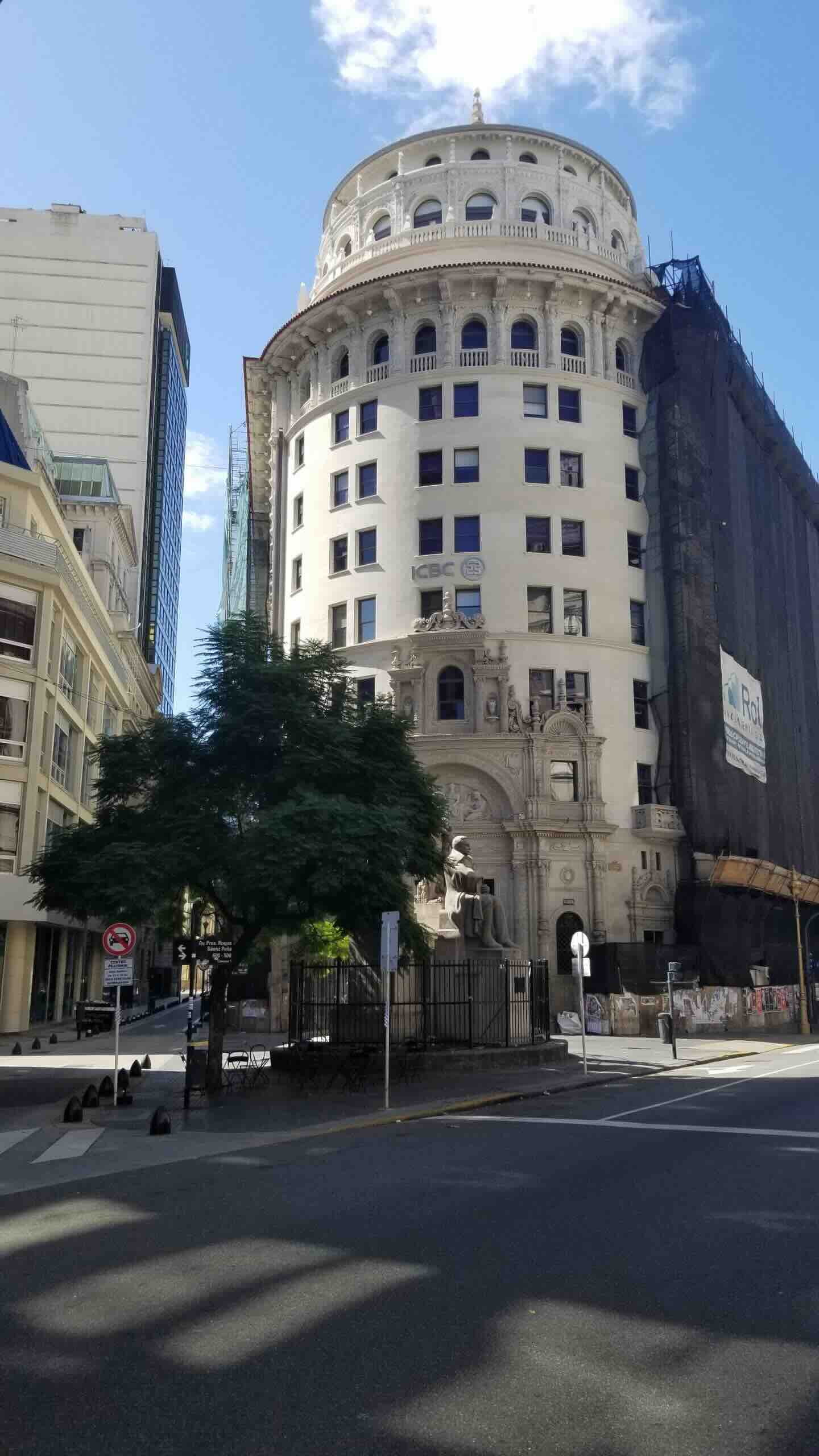
The First National Bank of Boston Building, constructed in 1924 in the Neo-Plateresque style, is located at the corner of Roque Sáenz Peña Avenue, Florida Street, and Bartolomé Mitre, in the financial center of Buenos Aires. It was the headquarters of BankBoston and currently belongs to ICBC Argentina. The building stands out for its ornamental design inspired by Spanish Plateresque architecture. The bank arrived in the country in 1917, driven by trade between Buenos Aires and Boston.
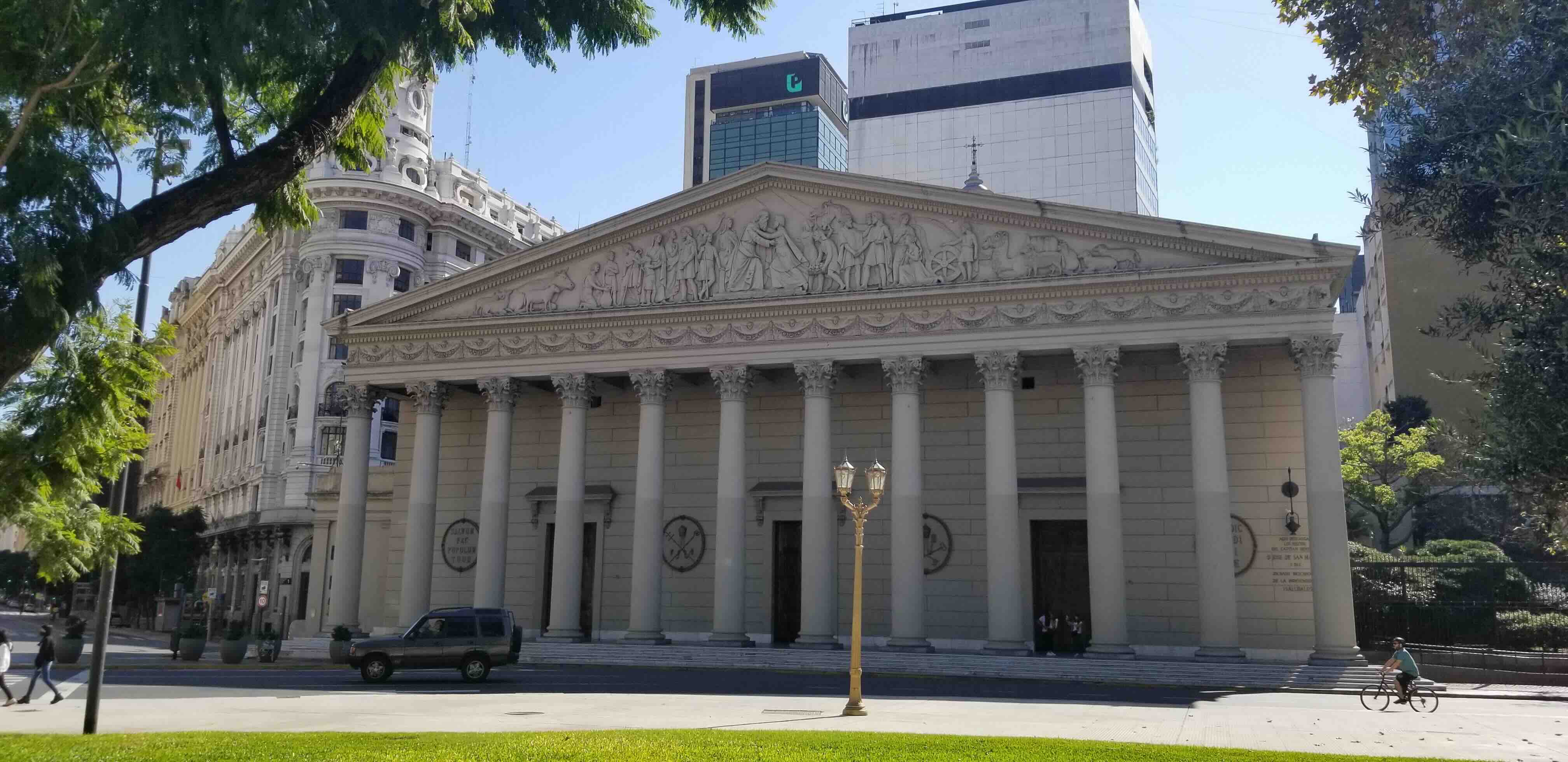
The Buenos Aires Metropolitan Cathedral, dedicated to the Holy Trinity, served as the primatial seat of the Catholic Church in Argentina until September 2024. Located in front of Plaza de Mayo, in the San Nicolás neighborhood, it is the seat of the Archdiocese of Buenos Aires. Its origins date back to the city’s founding in 1580 by Juan de Garay, who designated the land for the main church under the jurisdiction of the Diocese of the Río de la Plata.
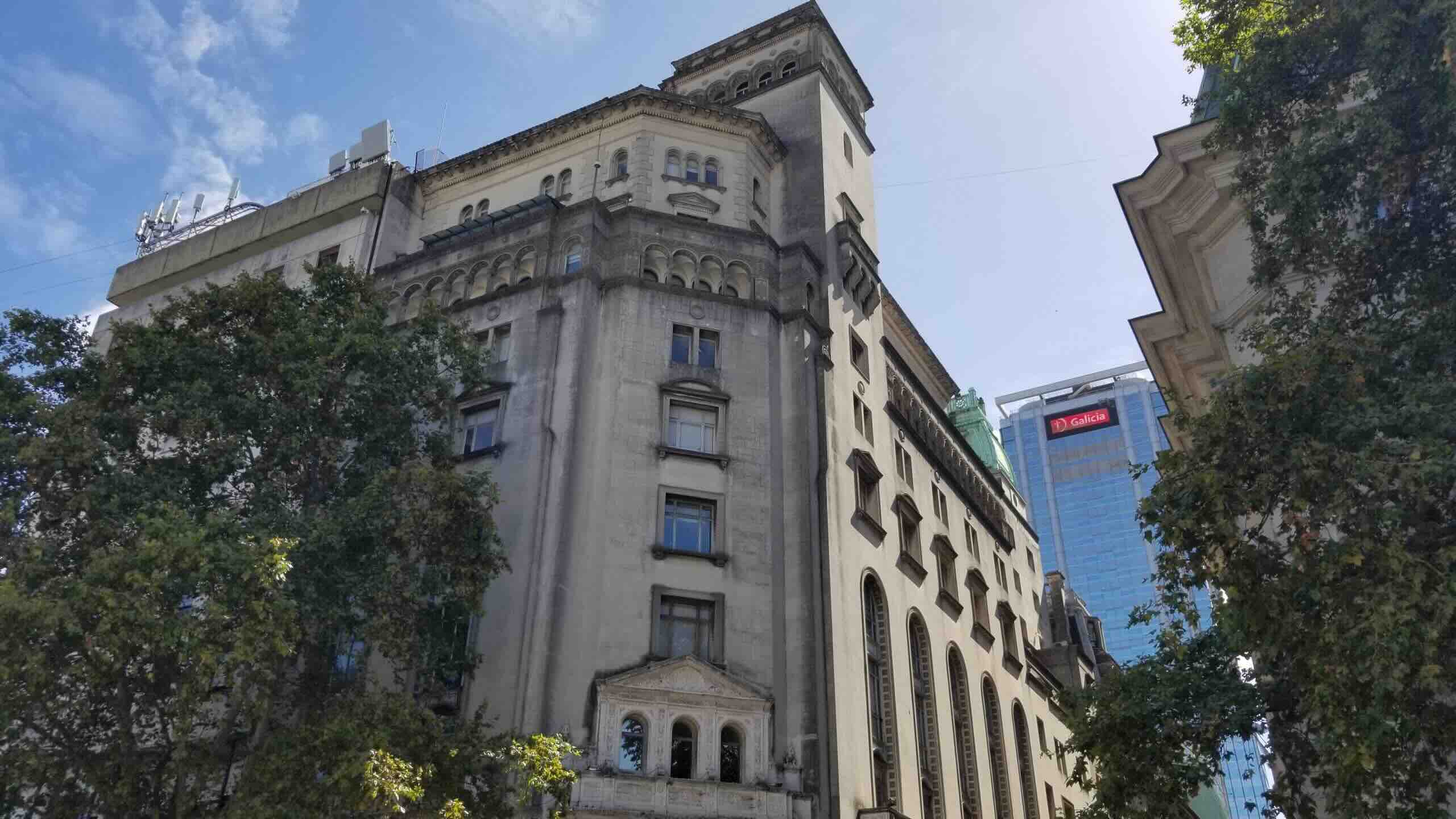
The former headquarters of the Nuevo Banco Italiano, built in the Italian Neorenaissance style, is located across from Plaza de Mayo in Buenos Aires. It currently belongs to BBVA Banco Francés and was declared a National Historic Monument in 2006. The site holds historical significance, as it was once the residence of Miguel de Azcuénaga and has been important since the city’s founding in 1580.
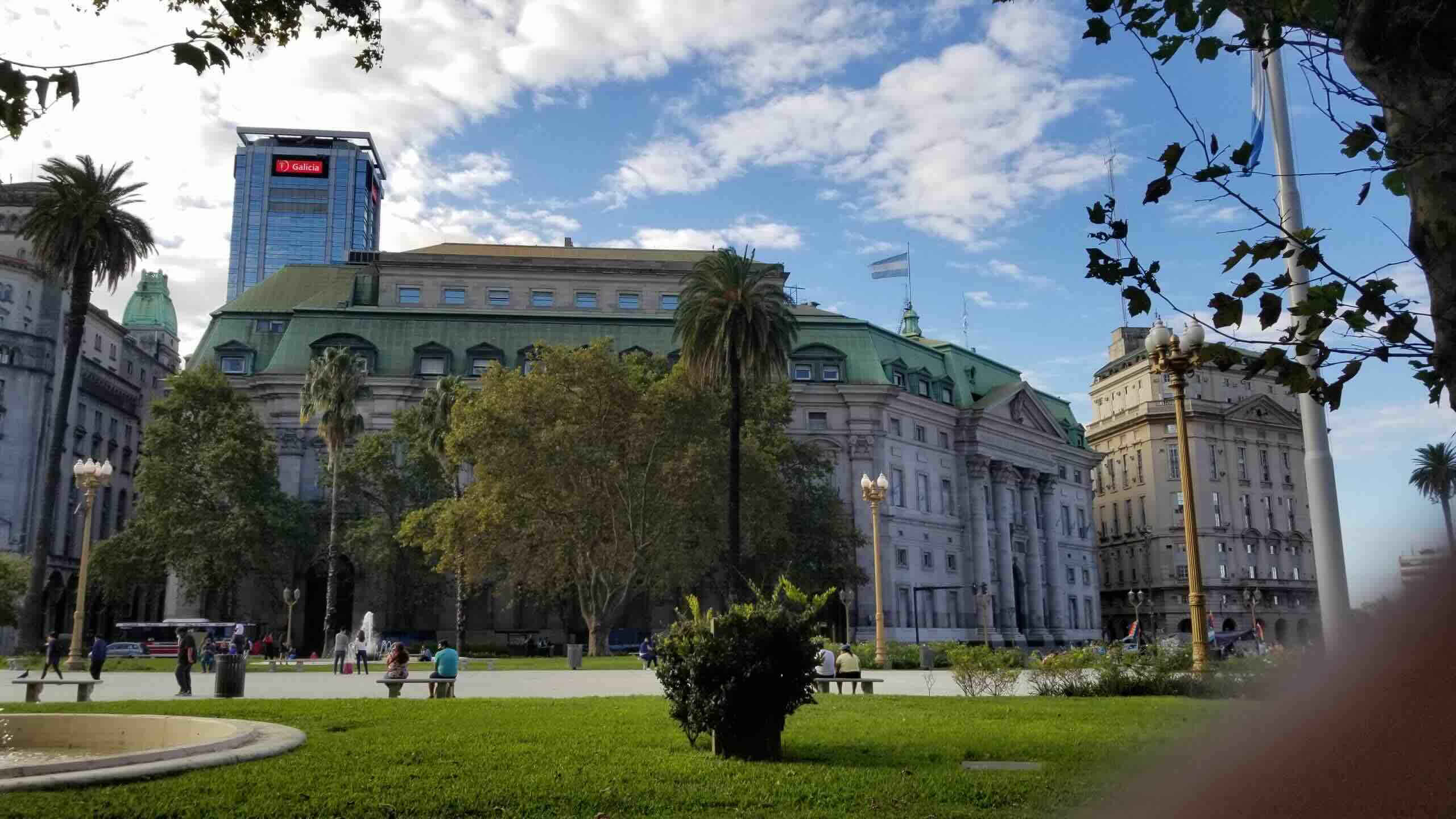
The Bank of the Argentine Nation (Banco Nación) is a public bank founded in 1891 at the initiative of President Carlos Pellegrini to support the agro-export model during a critical financial period. Its main headquarters is in Buenos Aires. It is fully state-owned and operates under the Ministry of Economy. The bank has over 700 branches in Argentina and abroad.
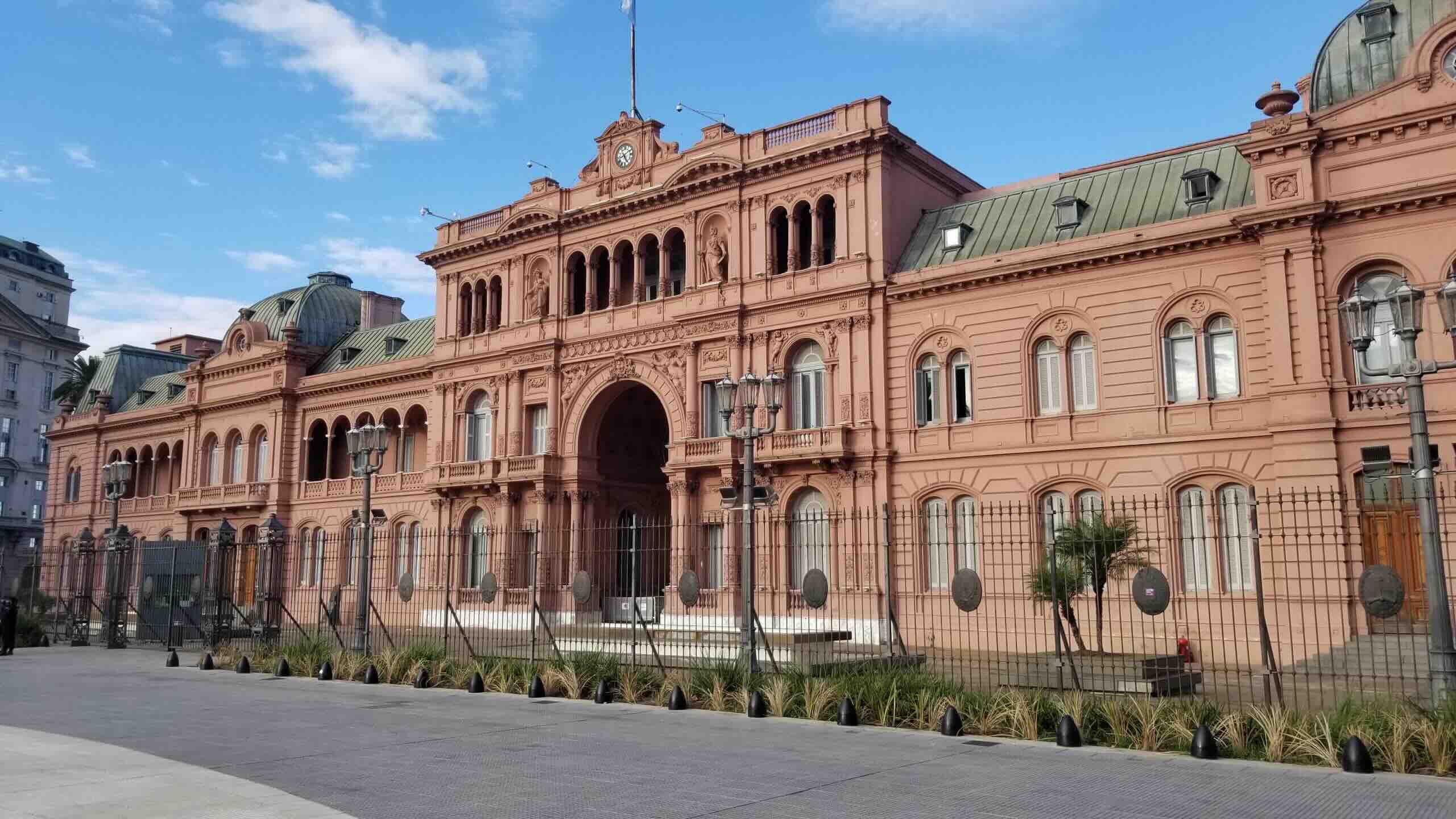
The Casa Rosada is the seat of the Executive Branch of Argentina, located at 50 Balcarce Street, facing Plaza de Mayo in Buenos Aires. It houses the presidential office and other government departments. Its distinctive pink color makes it an emblematic landmark, and it also hosts the Casa de Gobierno Museum. It was declared a National Historic Monument in 1942. The building was constructed over a former colonial fortress that had served as the seat of authority since the viceregal period. The original fortress, built in 1594 by Fernando Ortiz de Zárate, was rebuilt in 1713 and renamed the Castle of Saint Michael the Archangel in 1720, serving as the residence of governors, viceroys, and later independent governments.
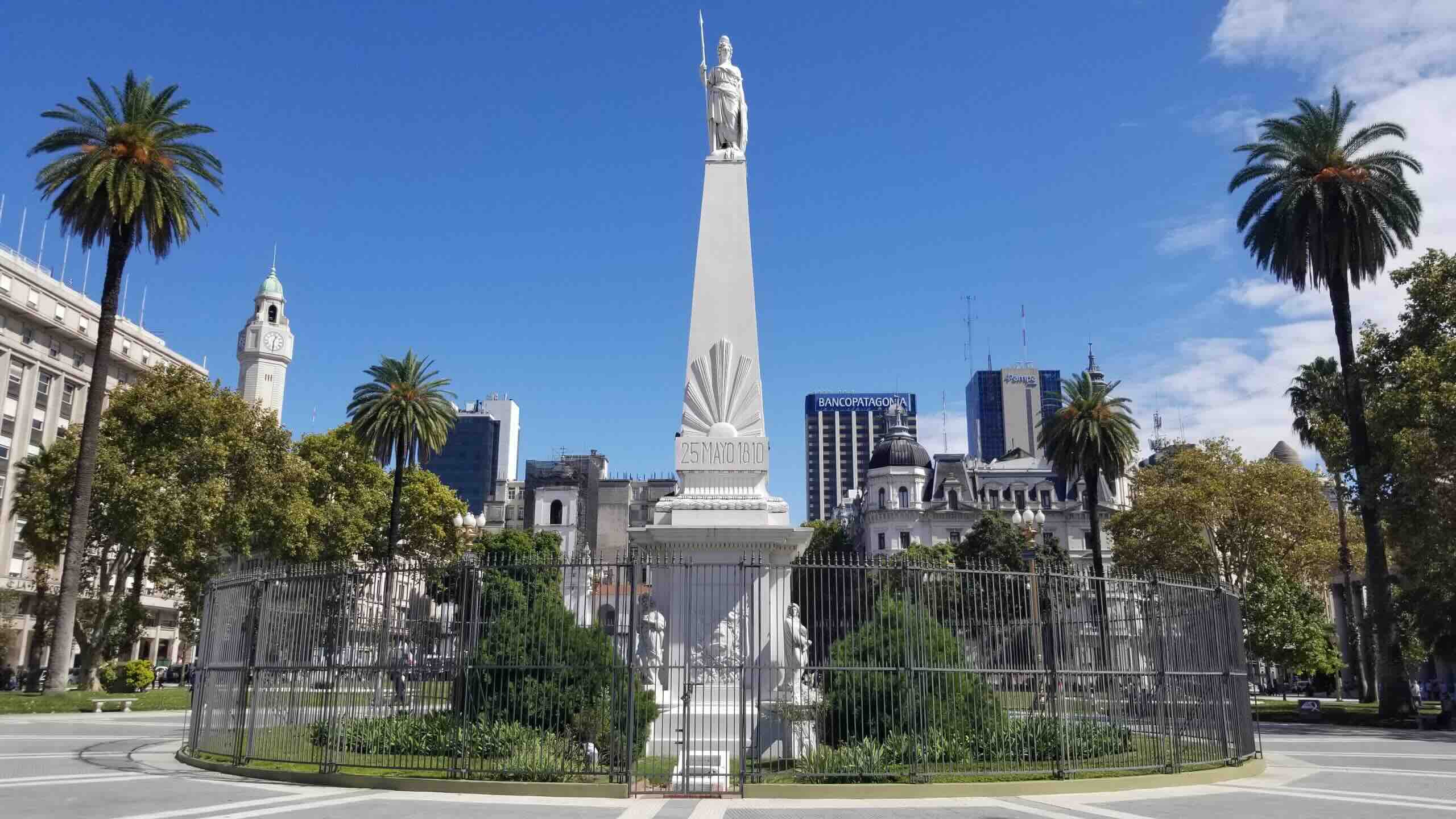
Plaza de Mayo, located in the Monserrat neighborhood, is the main historic square of Buenos Aires, situated in front of the Casa Rosada. It was created in 1884 by merging the Plaza de la Victoria and the Plaza del Fuerte after the demolition of the old Recova. Its location marks the site of the city’s second founding in 1580. Surrounded by major streets and avenues, it forms the heart of Buenos Aires' downtown area. Avenida de Mayo, Roque Sáenz Peña, and Julio A. Roca all begin there. Key buildings around the square include the Cabildo, the Cathedral, the Bank of the Nation, and the city government headquarters. It stands as a symbol of Argentina’s political and historical life.
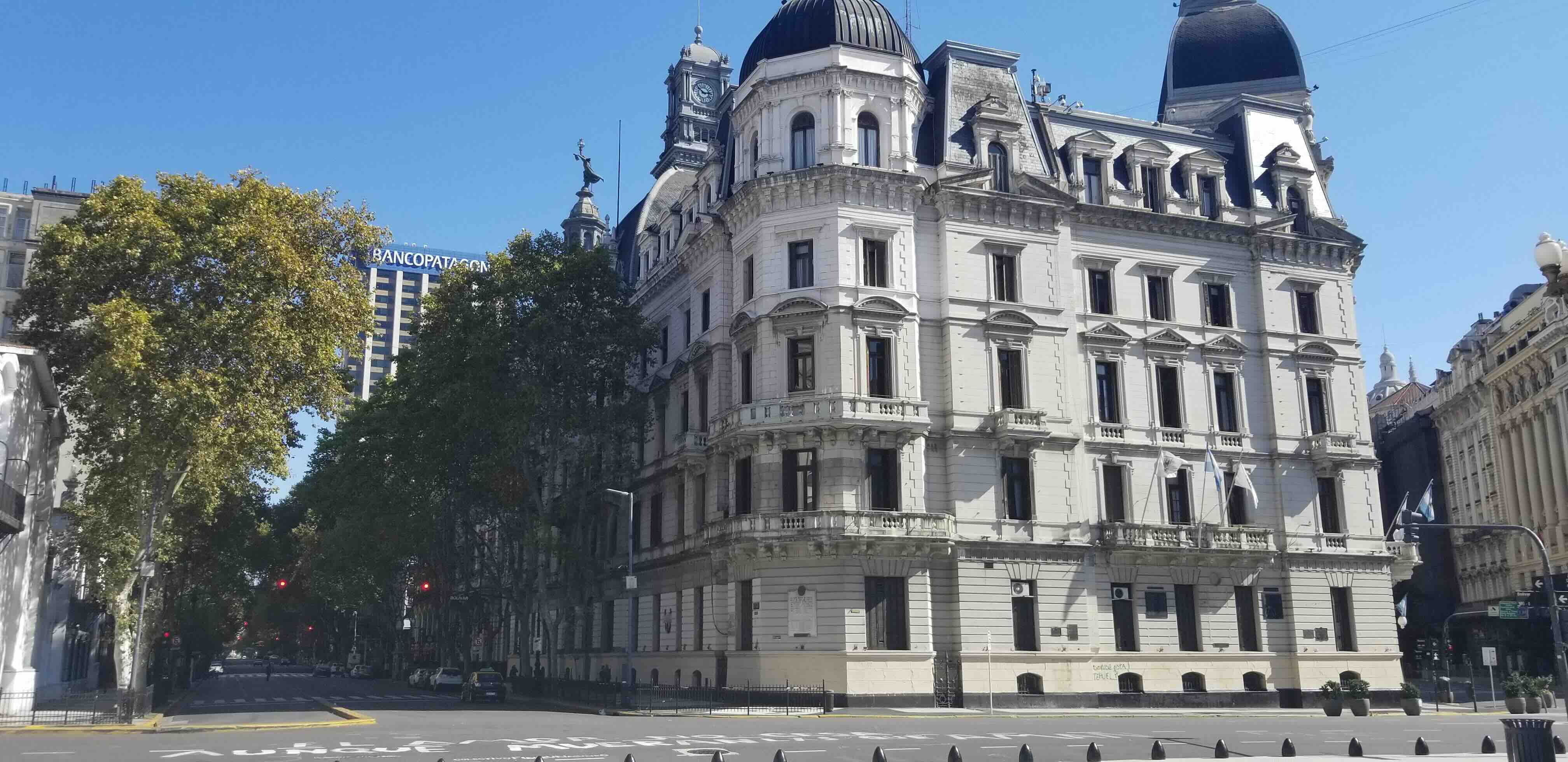
The Buenos Aires City Hall, located on Avenida de Mayo next to Plaza de Mayo, was the seat of the city government until 2015. It is in the Monserrat neighborhood and shared prominence with historic buildings like the Cabildo. In March 2015, the headquarters moved to a modern sustainable building in Parque Patricios, near stations of the Line H subway. The original building still houses offices with minor administrative functions. Currently, it is not open to the general public, although guided tours are offered from the Casa de la Cultura. It represents a milestone in the city’s institutional and urban development.
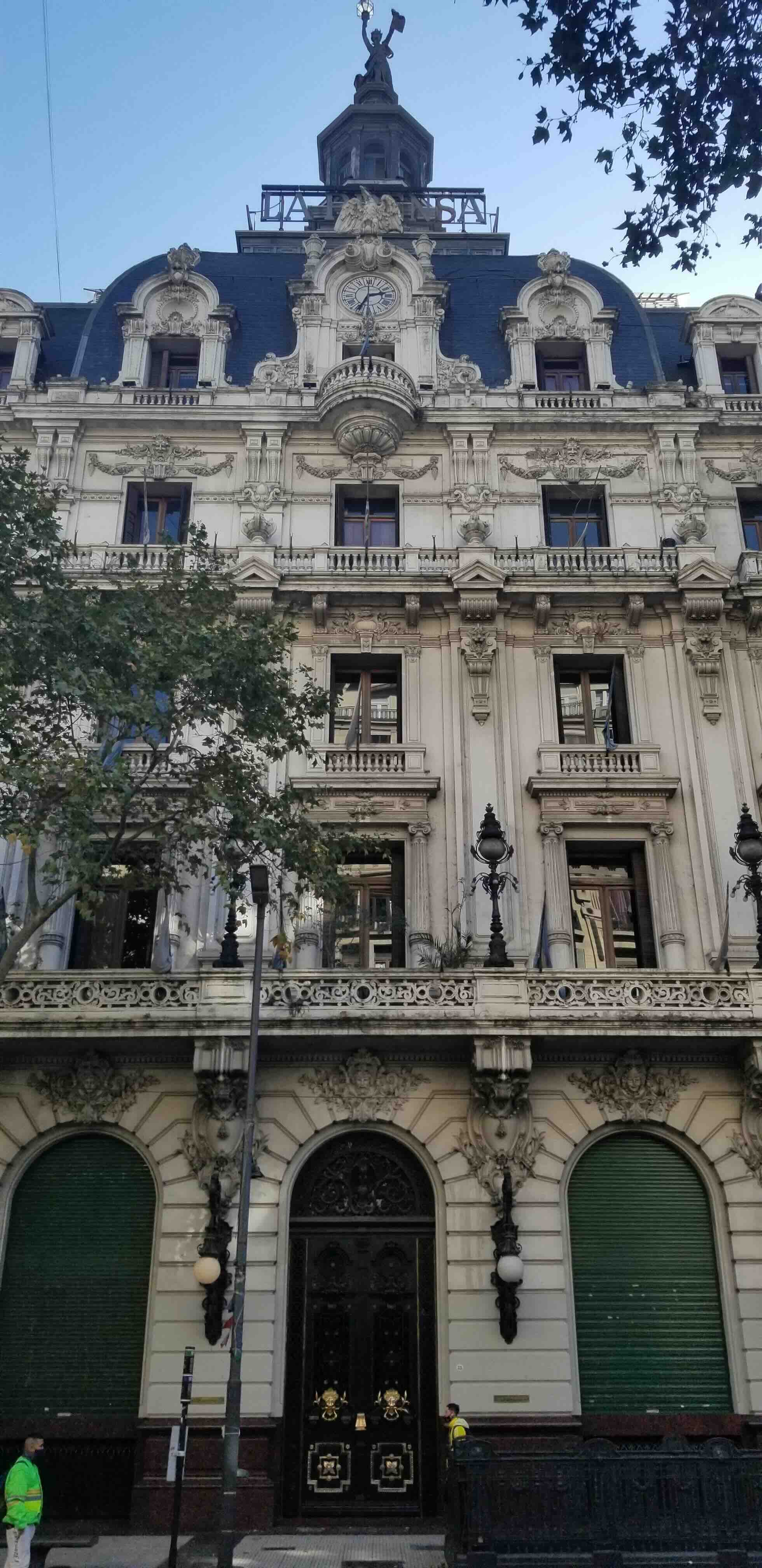
The Casa de la Cultura, formerly the La Prensa Building, is located at Avenida de Mayo 575, Buenos Aires. It was built in 1898 in the Beaux-Arts style to house the newspaper La Prensa, owned by José Camilo Paz. The project was designed in Paris and locally adapted by engineers Agote and Gainza. It represents the French-influenced spirit of Buenos Aires architecture at the end of the 19th century. Since 1985, it has been a National Historic Monument. It currently belongs to the City Government and functions as the House of Culture. It reflects the cultural and journalistic boom of the era.
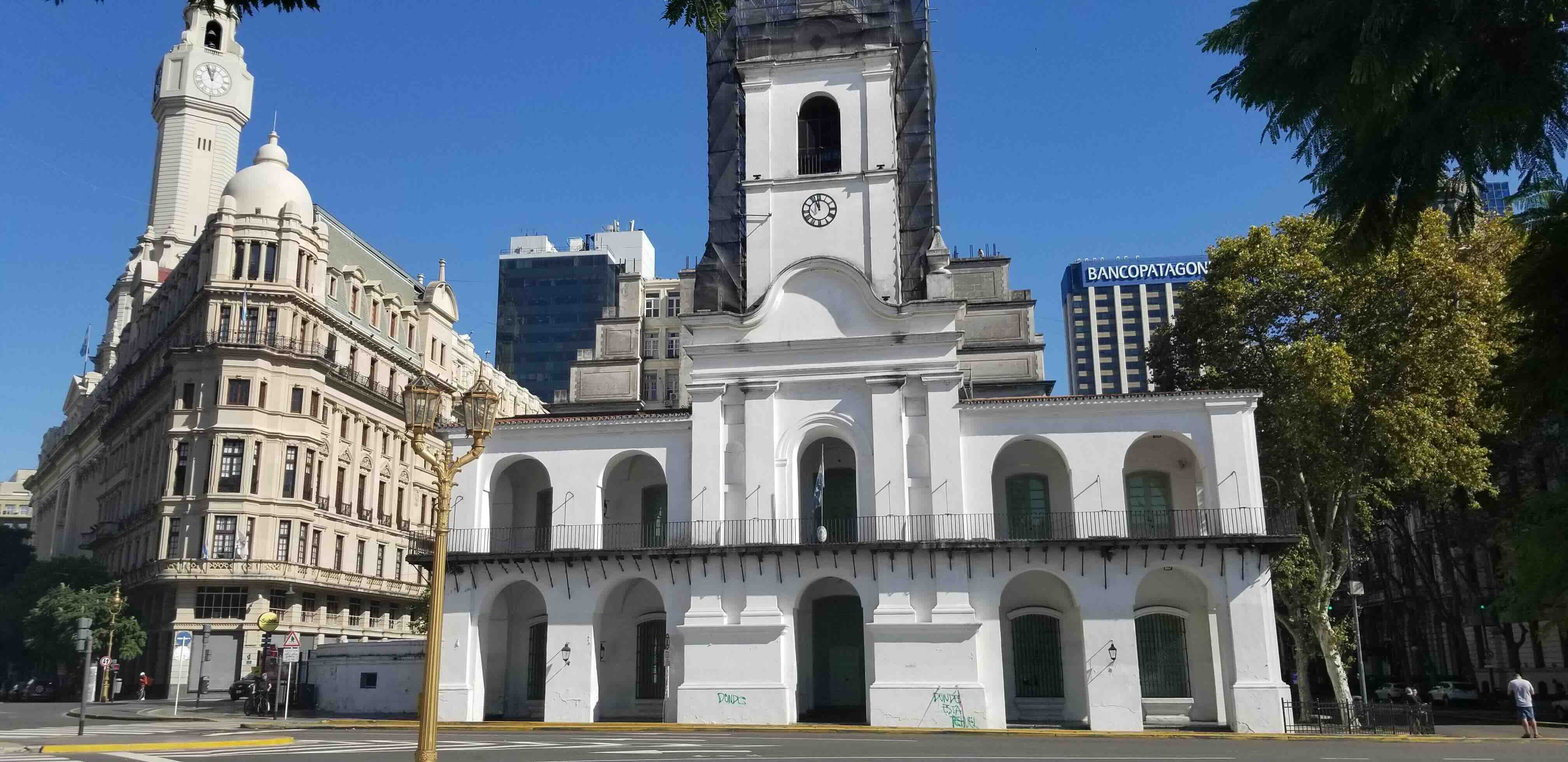
The Buenos Aires Cabildo was founded in 1580 by Juan de Garay as a colonial institution. After the May Revolution of 1810, it became the seat of the First Governing Junta until its dissolution in 1821. It also housed the Royal Audience of Buenos Aires (1661–1812), the highest colonial court. In 1810, the Public Library was established there and operated in the building for two years. The Buenos Aires Jail functioned in the Cabildo from 1608 to 1877. Since 1939, it has operated as a museum. Today, it is the National Historical Museum of the Cabildo and the May Revolution. Its original structure has been modified over the years.
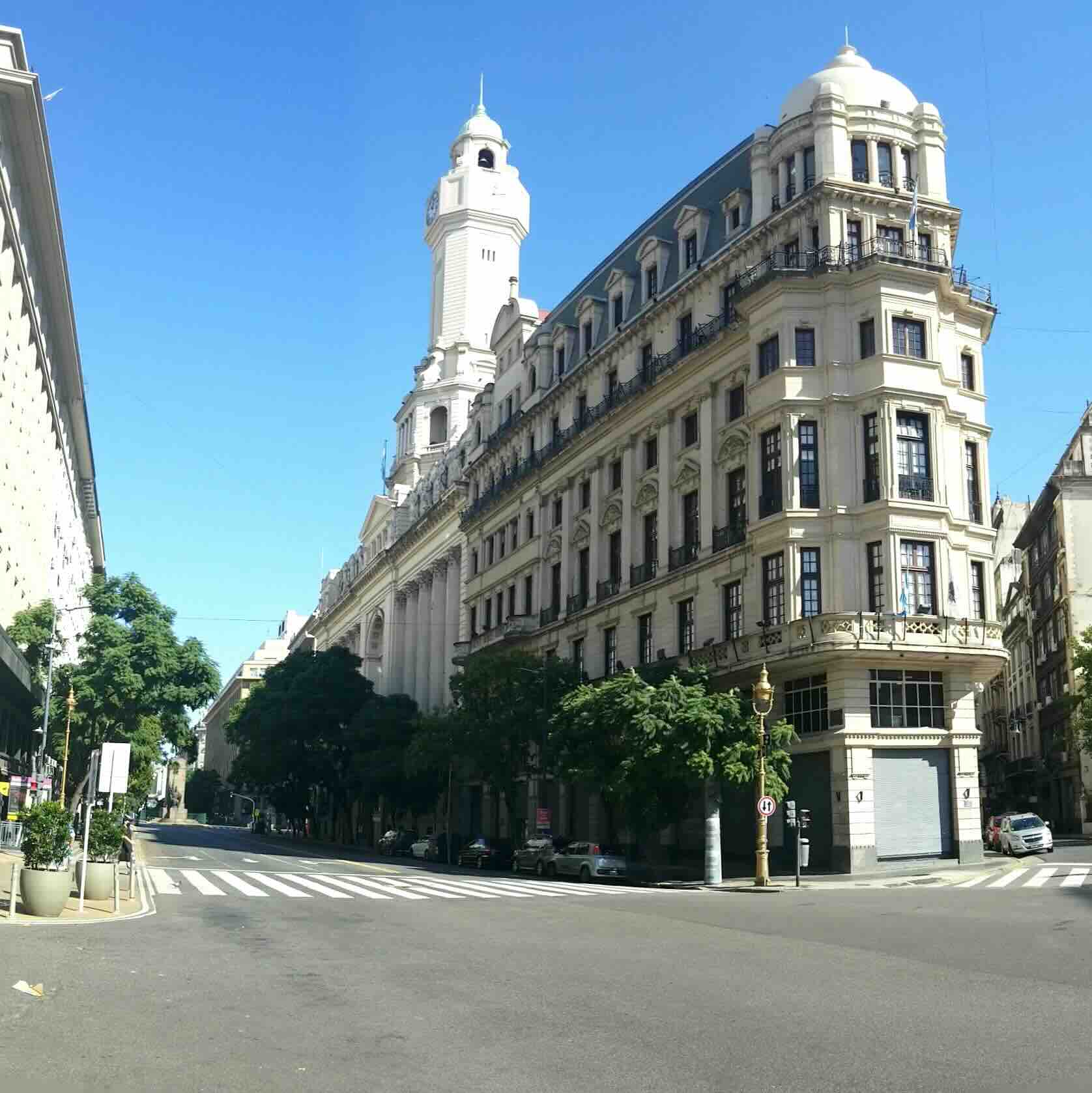
The Buenos Aires Legislature is the legislative branch of the Autonomous City of Buenos Aires, with a unicameral system composed of 60 deputies elected by direct vote. Each deputy serves a four-year term, and half of the chamber is renewed every two years. Its main headquarters is in the Ayerza Palace, located between Hipólito Yrigoyen, Diagonal Julio A. Roca, and Perú streets. The building is notable for its clock tower. It also has a nearby administrative annex. Its operation is governed by Articles 68 and 69 of the city’s Constitution.
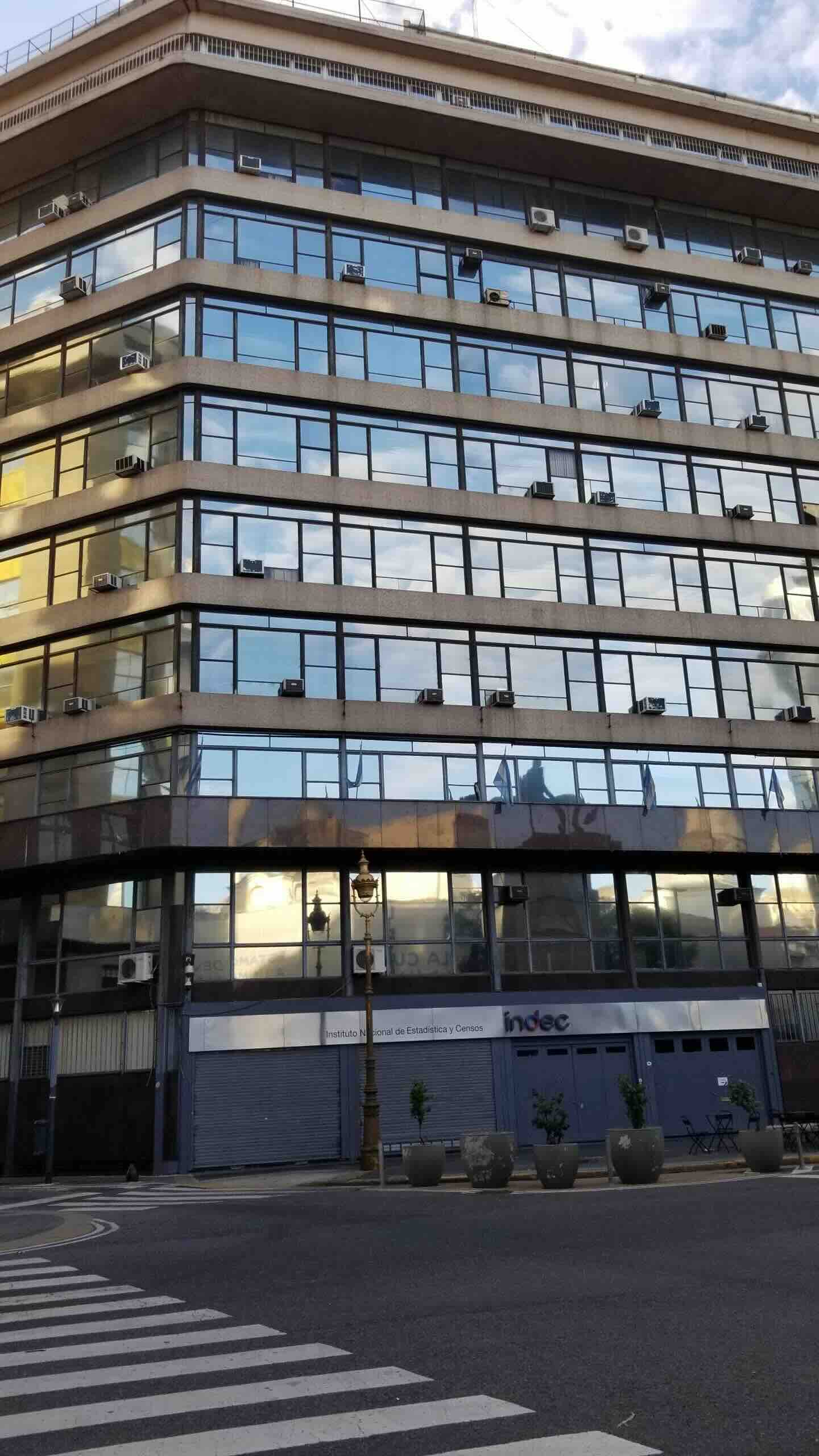
INDEC is a public technical agency under Argentina’s Ministry of Economy that oversees the country’s official statistics. It was created by Law No. 17,622 and regulated by various decrees and provisions. Its role is to produce statistical data for public policies, academic research, and private studies. Individual information provided by citizens is protected by statistical confidentiality. INDEC is key to understanding the country’s economic and social reality.
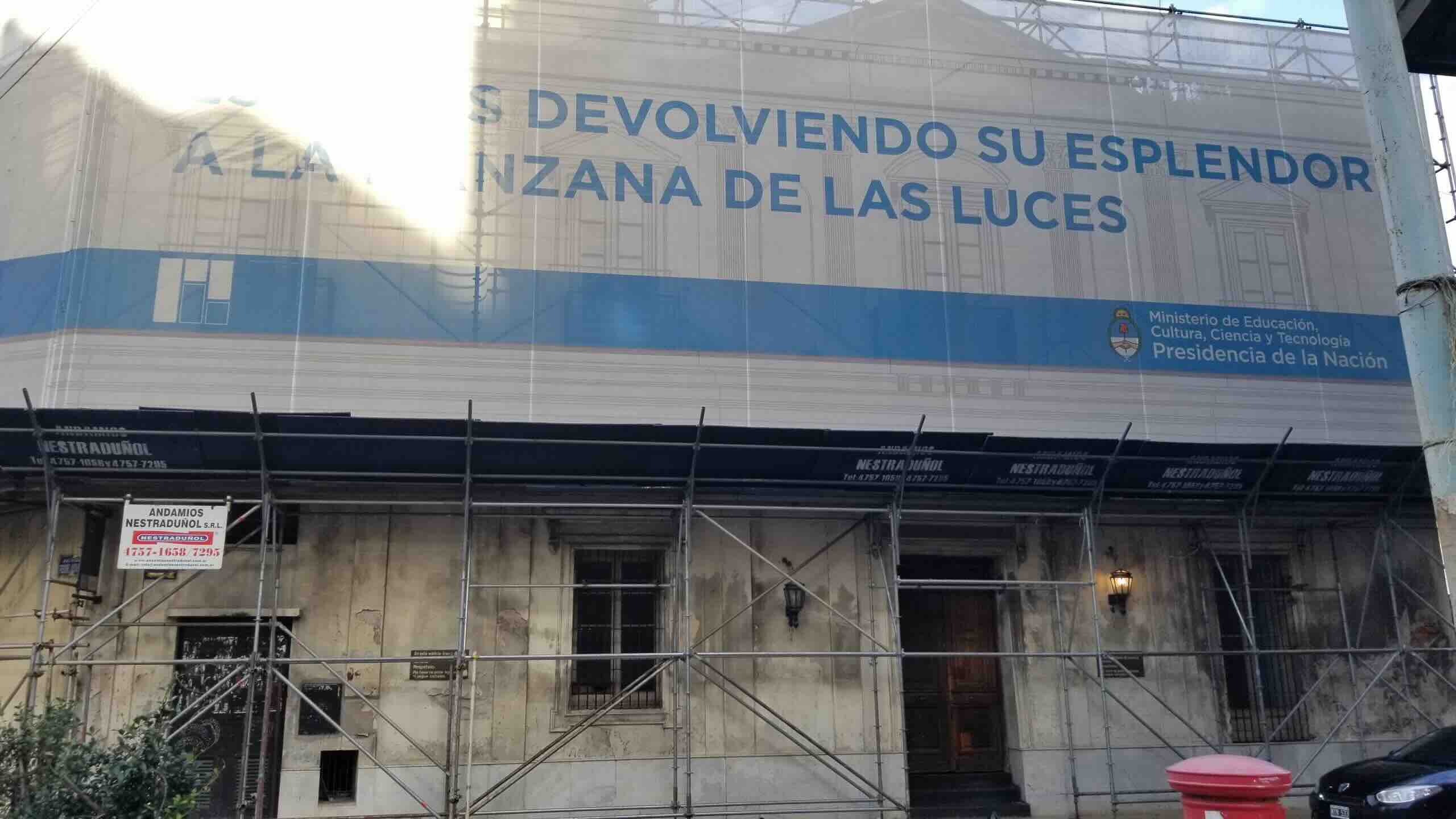
The Manzana de las Luces is a historic complex located in downtown Buenos Aires, bounded by Bolívar, Moreno, Alsina, Diagonal Sur, and Perú streets. It houses emblematic buildings such as the Buenos Aires National College, the Church of San Ignacio, and the old University of Buenos Aires building. The name was proposed by the newspaper El Argos in 1821, highlighting the intellectual institutions gathered there. The Church of San Ignacio and the Old Junta Hall were declared Historic Monuments in 1942. In 1943, the National College was declared a Historic Site. In 1981, heritage protection was extended to the rest of the Jesuit complex. Today, it is a symbol of Buenos Aires’ educational and cultural legacy.
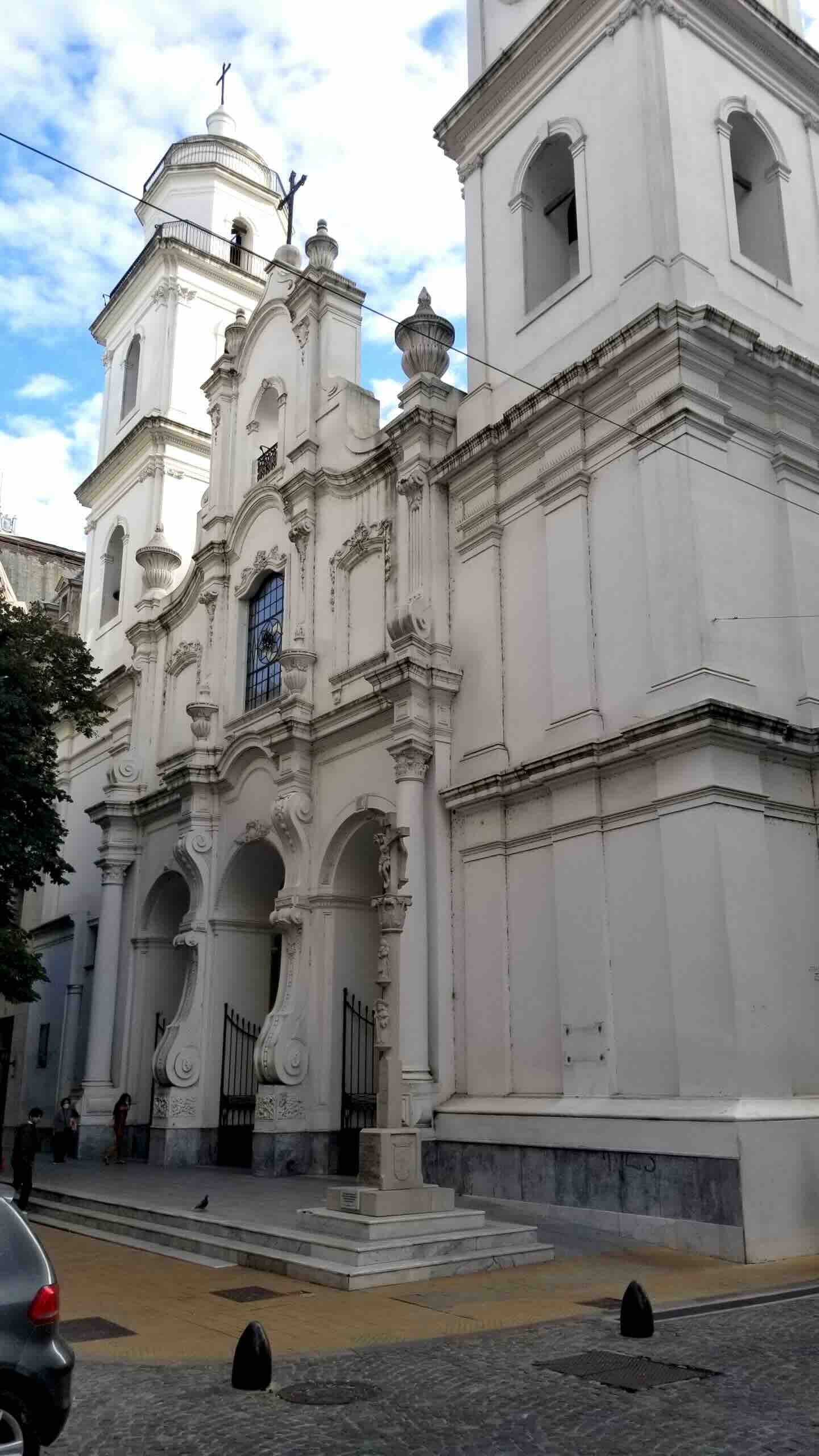
The Church and Cloister of San Ignacio de Loyola, located in the Monserrat neighborhood of Buenos Aires, is the oldest preserved church in the city. It was built by the Jesuits, initially using adobe in 1675, and replaced by a brick structure starting in 1686. The current building began construction in 1712, was inaugurated in 1722, and consecrated in 1734. Originally dedicated to Our Lady of Loreto, it took the name San Ignacio in 1610. After being displaced from Plaza de Mayo, the Jesuits built the church on land donated by Isabel Carvajal. Its style shows German Baroque influences. It is part of the Manzana de las Luces and was declared a National Historic Monument in 1942. Recent restorations have returned its façade to its original 18th-century appearance.
This tour is free so everyone can enjoy it. But behind it are hours of preparation, passion, and love for this city. If you felt you discovered something special today, help us keep sharing it. With your donation, you make this possible. Thank you for valuing our work.
Write Us:
Go@free-buenos-aires.tours