















This tour is free so everyone can enjoy it. But behind it are hours of preparation, passion, and love for this city. If you felt you discovered something special today, help us keep sharing it. With your donation, you make this possible. Thank you for valuing our work.
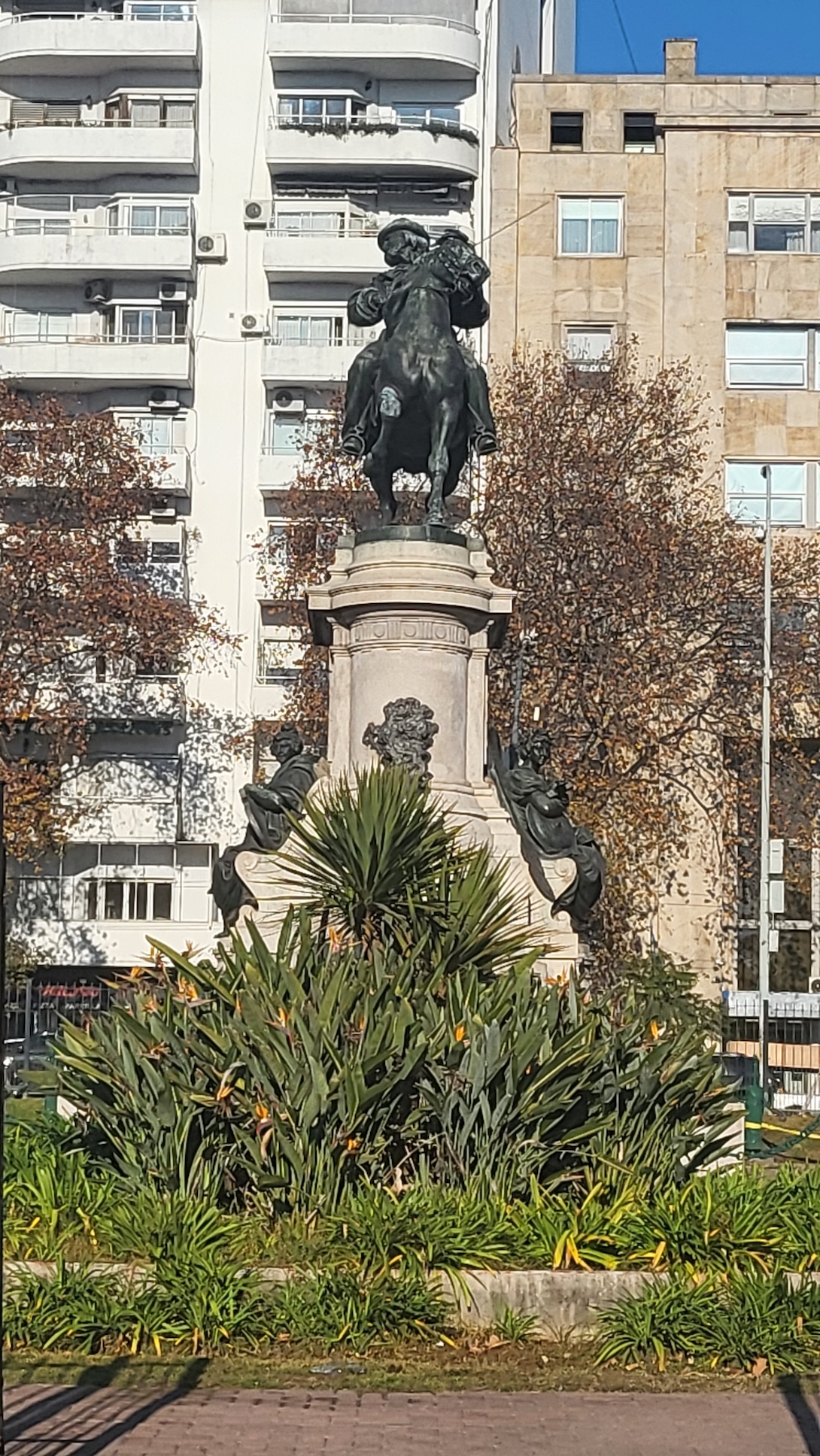




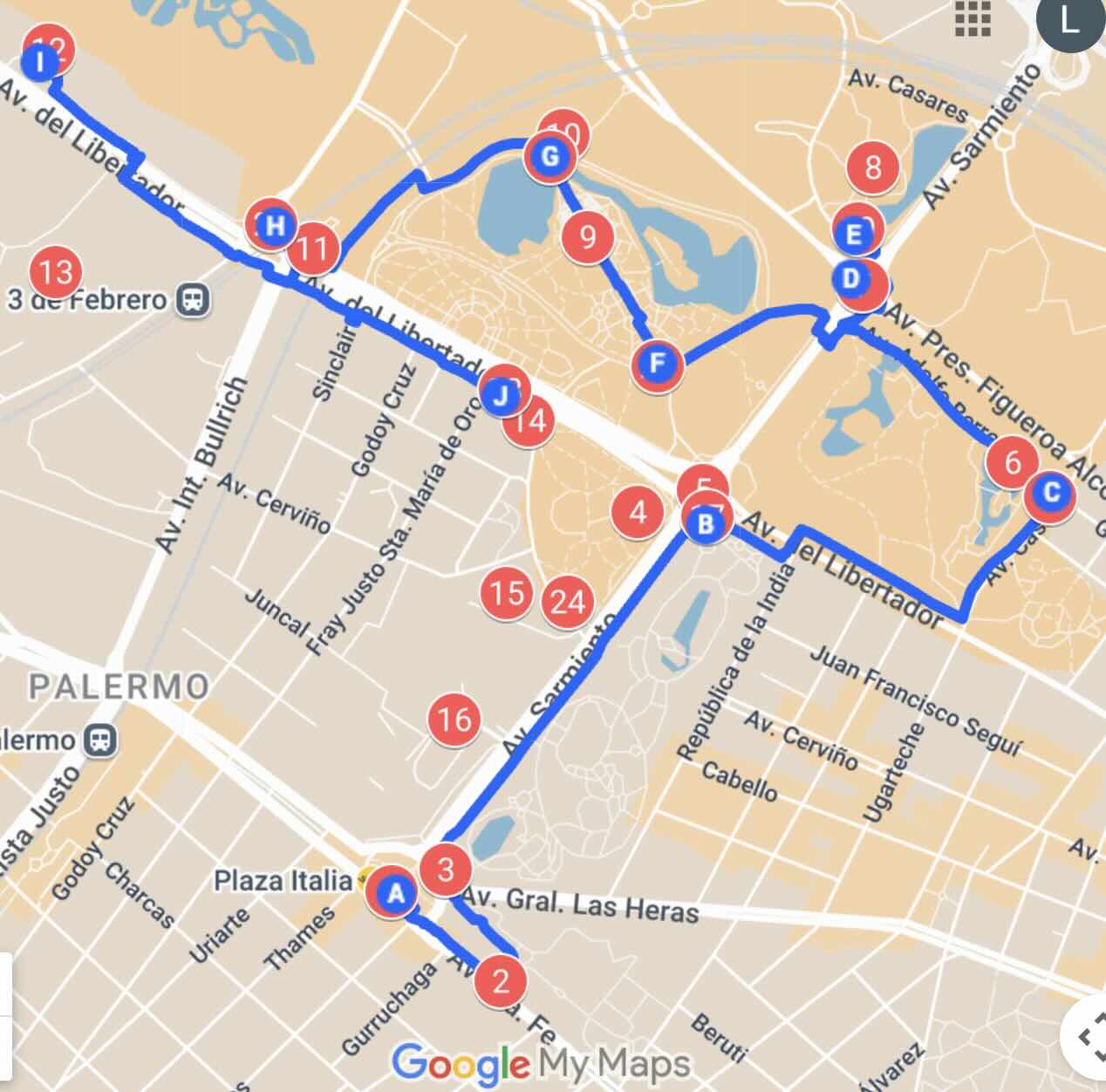
Located in Plaza Italia (Palermo), the equestrian monument to Giuseppe Garibaldi was inaugurated in 1904. Created by Italian sculptor Eugenio Maccagnani, it was donated by the Italian community and approved by National Law in 1897. It symbolizes the union between Italy and Argentina, featuring reliefs depicting the Battle of San Antonio and the Expedition of the Thousand. Garibaldi, nicknamed the “Hero of Two Worlds,” fought for independence both in South America and Europe.
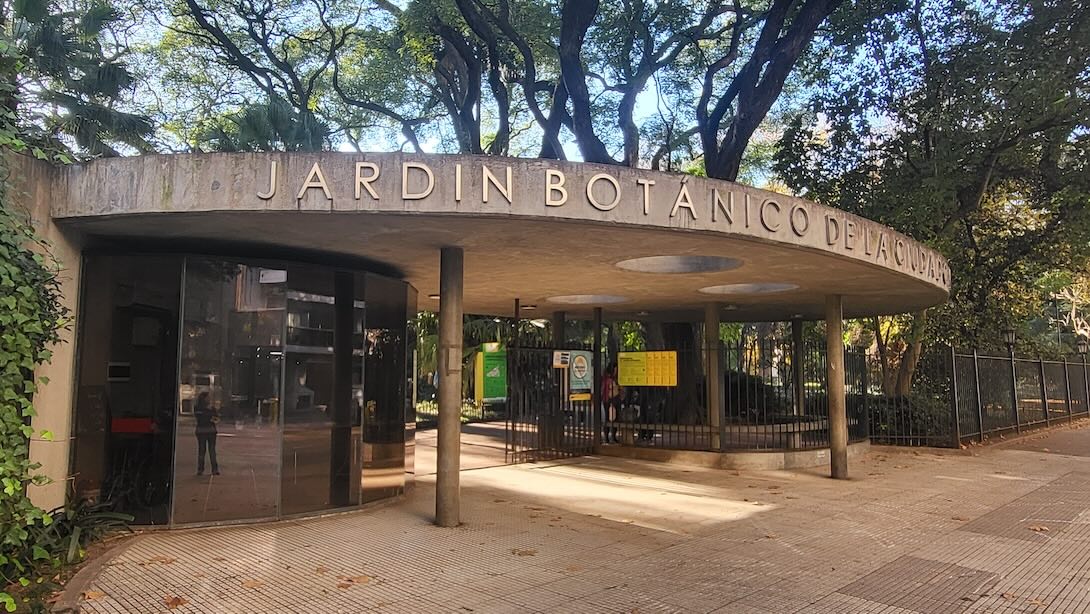
The “Carlos Thays” Botanical Garden is located in Palermo, Buenos Aires, and was inaugurated in 1898. It has borne the name of its designer since 1937 and was declared a National Historic Monument in 1996. Covering 7.7 hectares, it houses around 1,500 plant species, diverse fauna, five greenhouses, and more than thirty sculptures. Created by Thays as an acclimatization garden with scientific and recreational purposes, it was there that he developed a method to germinate yerba mate, later adopted nationwide. Since 2020, it has been managed by the city’s Environmental Secretariat. His successor, Benito Carrasco, expanded its educational and scientific infrastructure by adding the gardening school.
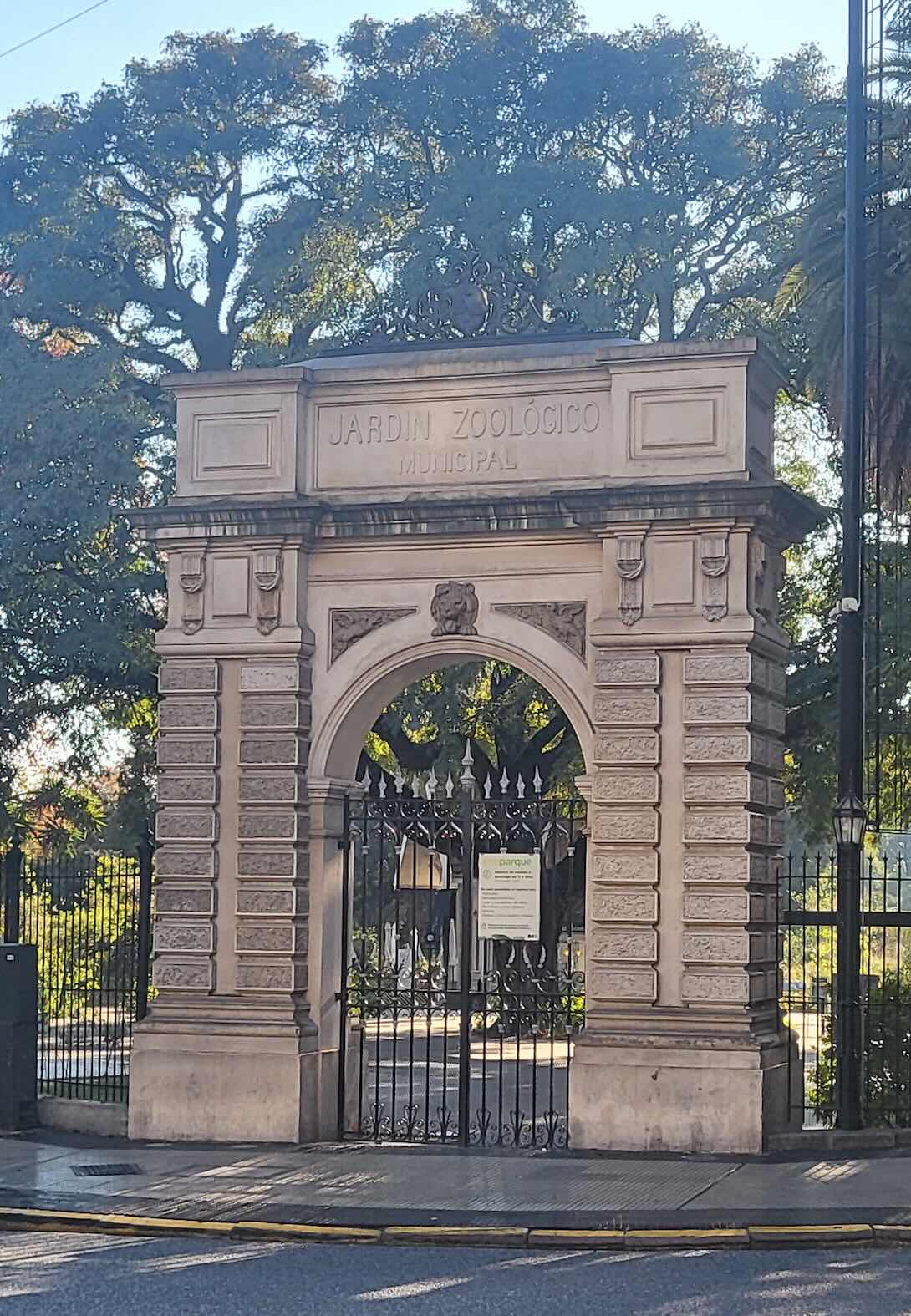
The Buenos Aires Ecopark, located in Palermo, replaced the former zoo in 2016, shifting its focus to native wildlife conservation and environmental education. It spans 16.7 hectares and includes 42 historic buildings, 3 lakes, bridges, and sculptures. It is home to native species such as capybaras, tapirs, condors, and flamingos. In 2025, its last elephant, Pupy, was relocated to a sanctuary in Brazil. The park preserves iconic structures like the Bear House and the Temple of Vesta. Its goals include animal rehabilitation, combating illegal wildlife trafficking, and supporting conservation and genetic programs.
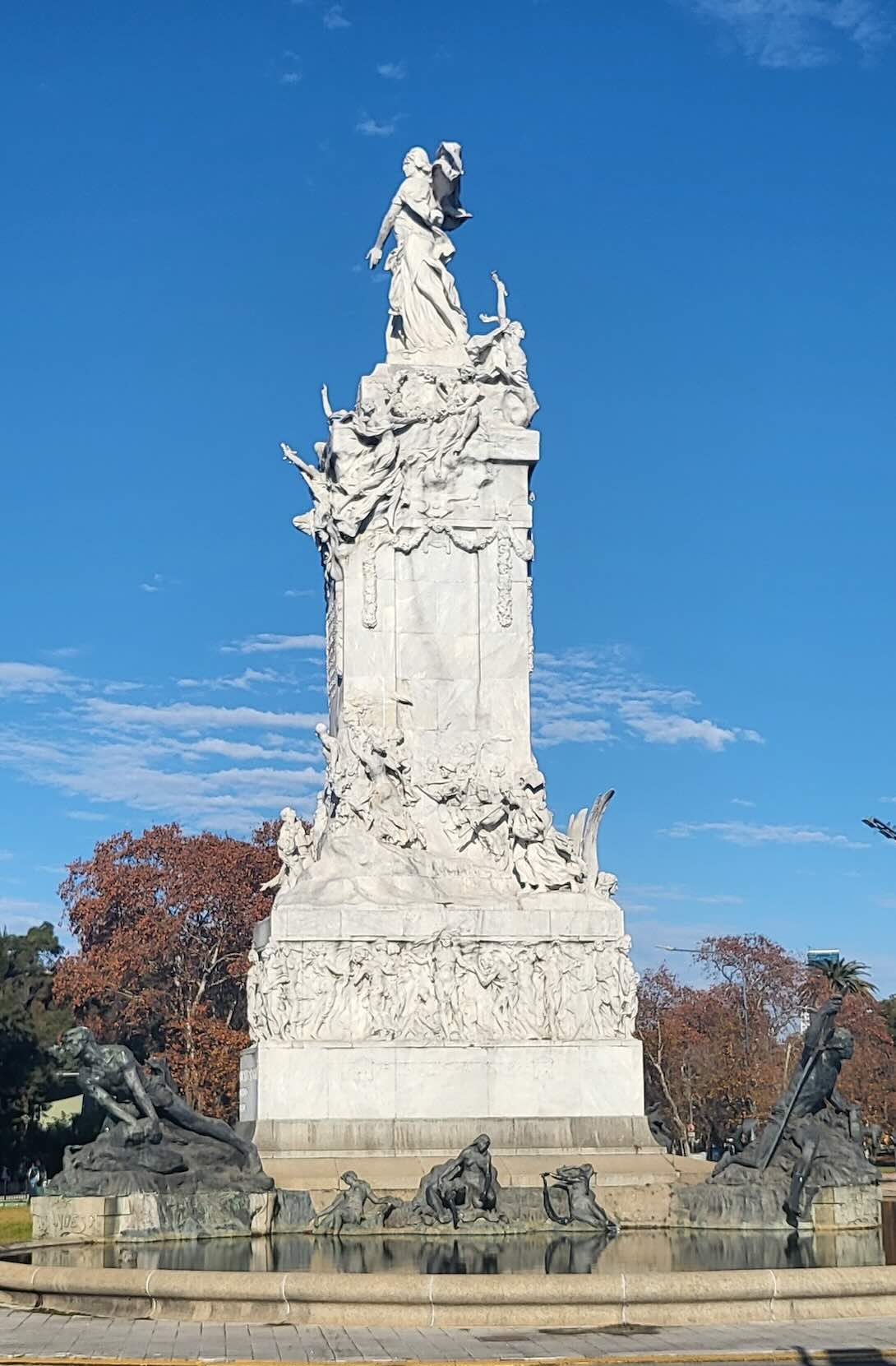
El Monumento a La Carta Magna y las Cuatro Regiones Argentinas, conocido como "Monumento de los Españoles", se ubica en Av. del Libertador y Sarmiento, Buenos Aires. Fue donado por la colectividad española en 1910 por el centenario de la Revolución de Mayo. Su construcción enfrentó numerosas demoras por la muerte de escultores, huelgas, tormentas y el hundimiento del barco que transportaba parte de las esculturas. Finalmente fue inaugurado en 1927. En 1934 se utilizó en el Congreso Eucarístico Internacional. En 2011 se modernizó su iluminación y en 2019 y 2022 fue restaurado, aunque sufrió vandalismo en 2023.
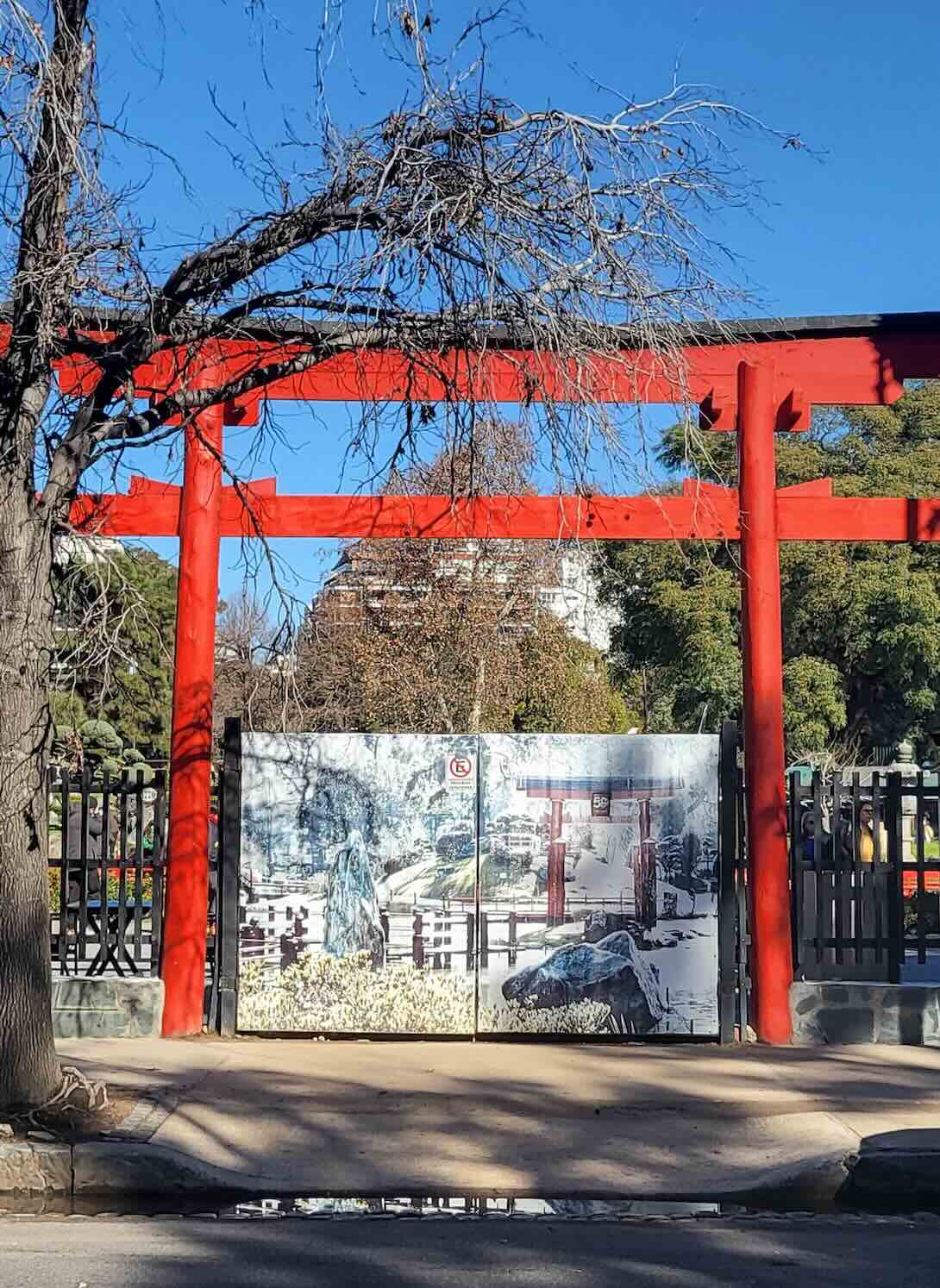
The Japanese Garden of Buenos Aires, located in Palermo, was built in 1967 by the Japanese community to commemorate the visit of Crown Prince Akihito. Since 1989, it has been managed by the Japanese-Argentine Cultural Foundation. It is the largest Japanese garden outside Japan and was declared a National Historic and Artistic Landmark in 2008. The garden has hosted visits from members of the Japanese imperial family. Admission is free for children, retirees, and school groups. It features a cultural center, nursery, restaurant, and shop. Its bridges and elements symbolize harmony, showcasing Japanese plant species and sculptures such as the samurai.
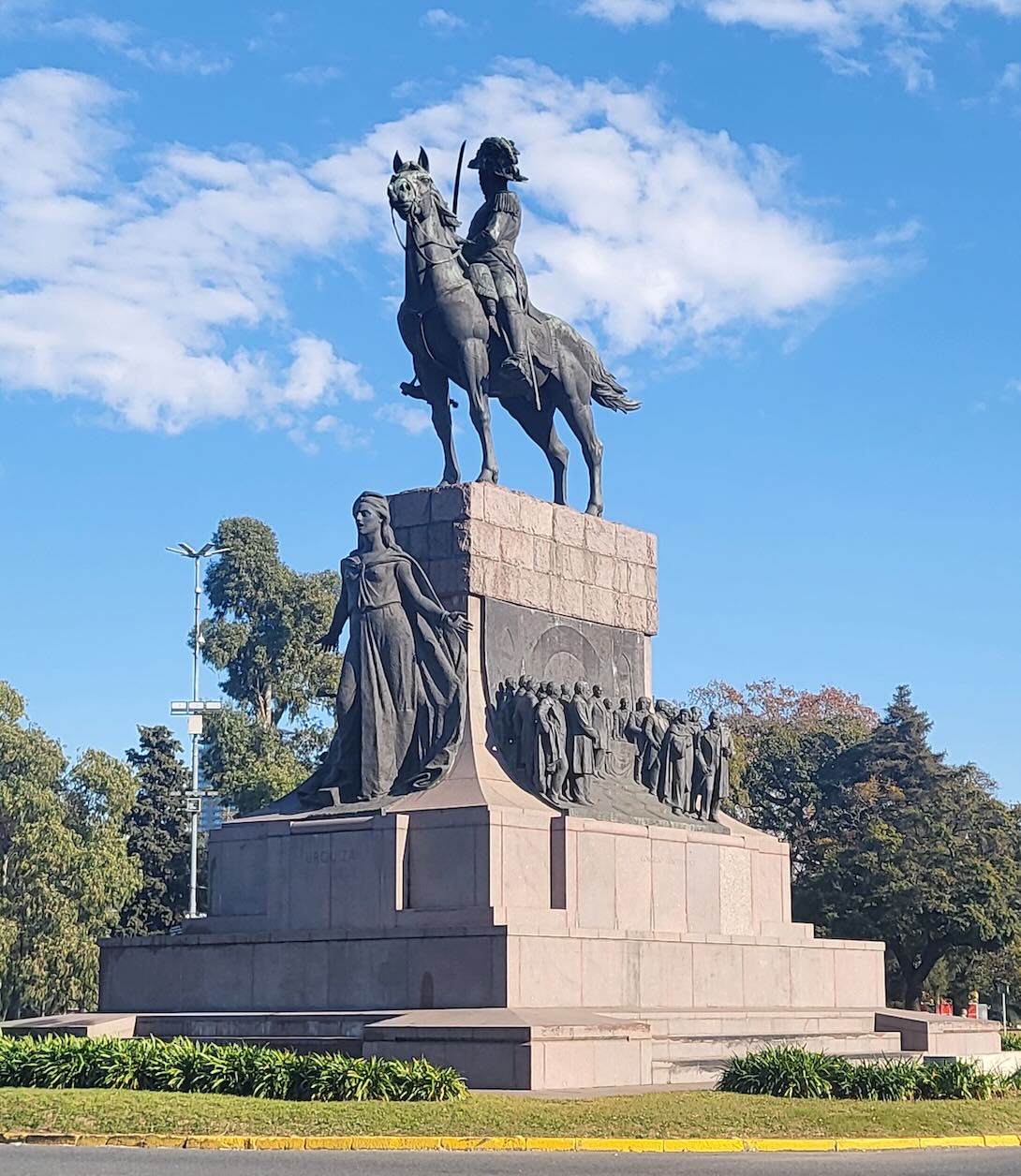
The Monument to Justo José de Urquiza, located in Palermo (Buenos Aires), was inaugurated in 1958 and created by Renzo Baldi and Héctor Rocha. It honors the former president of the Argentine Confederation and the victor over Rosas in the Battle of Caseros (1852). The monument includes reliefs depicting that battle and the enactment of the 1853 Constitution. It was made from bronze melted down from cannons seized from Rosas's forces and sent to Italy for casting.
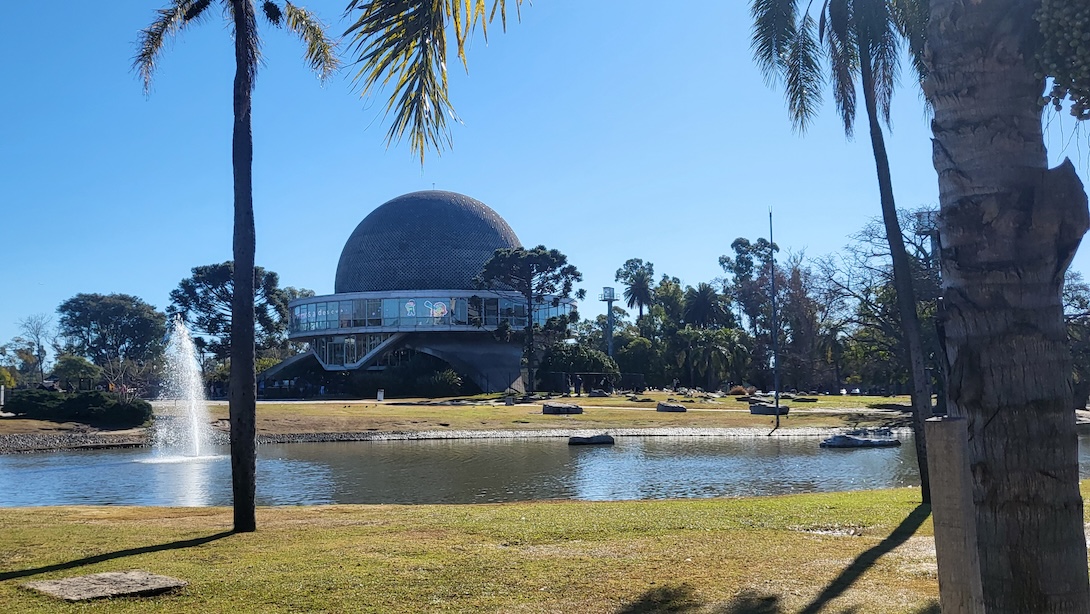
The Galileo Galilei Planetarium, located in Palermo, Buenos Aires, was inaugurated in 1966 and opened to the public in 1968. Its 20-meter dome projects up to 8,900 stars, constellations, and nebulae. It was initiated in 1958 by José Luis Pena and Aldo Cocca, and designed by architect Enrique Jan. Its first educational show took place in 1967. Dedicated to astronomy outreach, it offers educational programs for students and the general public. It stands on the historic site where Argentina’s first football match was played in 1867. The planetarium was renovated in 2011 and 2017.
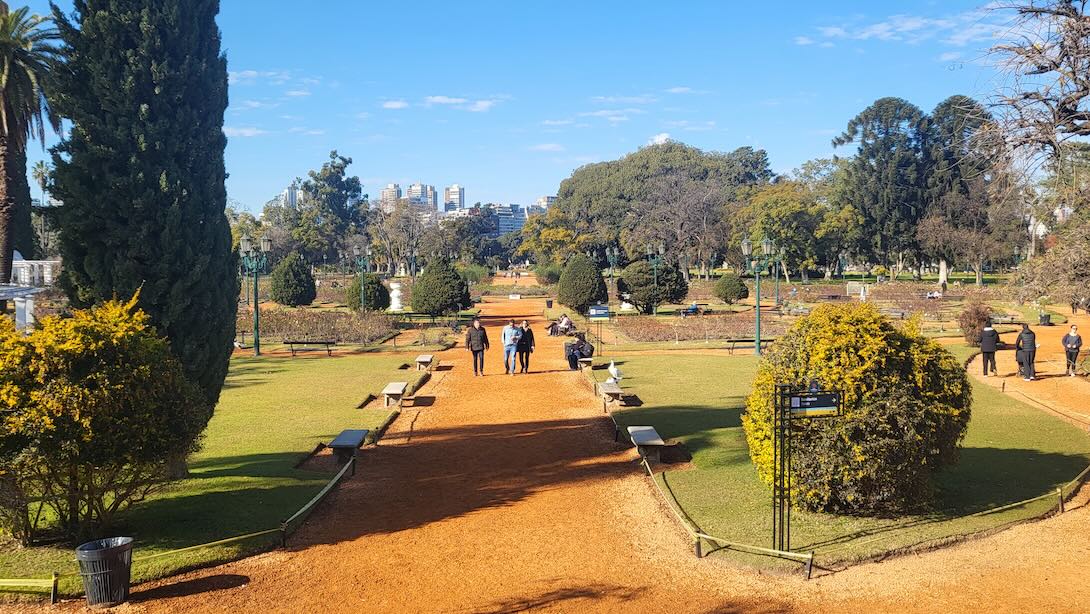
The Palermo Rose Garden, part of Parque Tres de Febrero in Buenos Aires, covers 3.4 hectares and features 18,000 rose bushes. Designed by Benito Carrasco, it was inaugurated in 1914, and includes pergolas, a Greek-style bridge, and sculptures of writers. An Andalusian garden was added in 1920, and in 1929, an Andalusian courtyard was donated by the city of Seville. The garden was restored in 1994 and 2008, preserving its original design. It received the Garden Excellence Award in 2012 and 2014, and was declared Cultural Heritage of the City of Buenos Aires in 2011.
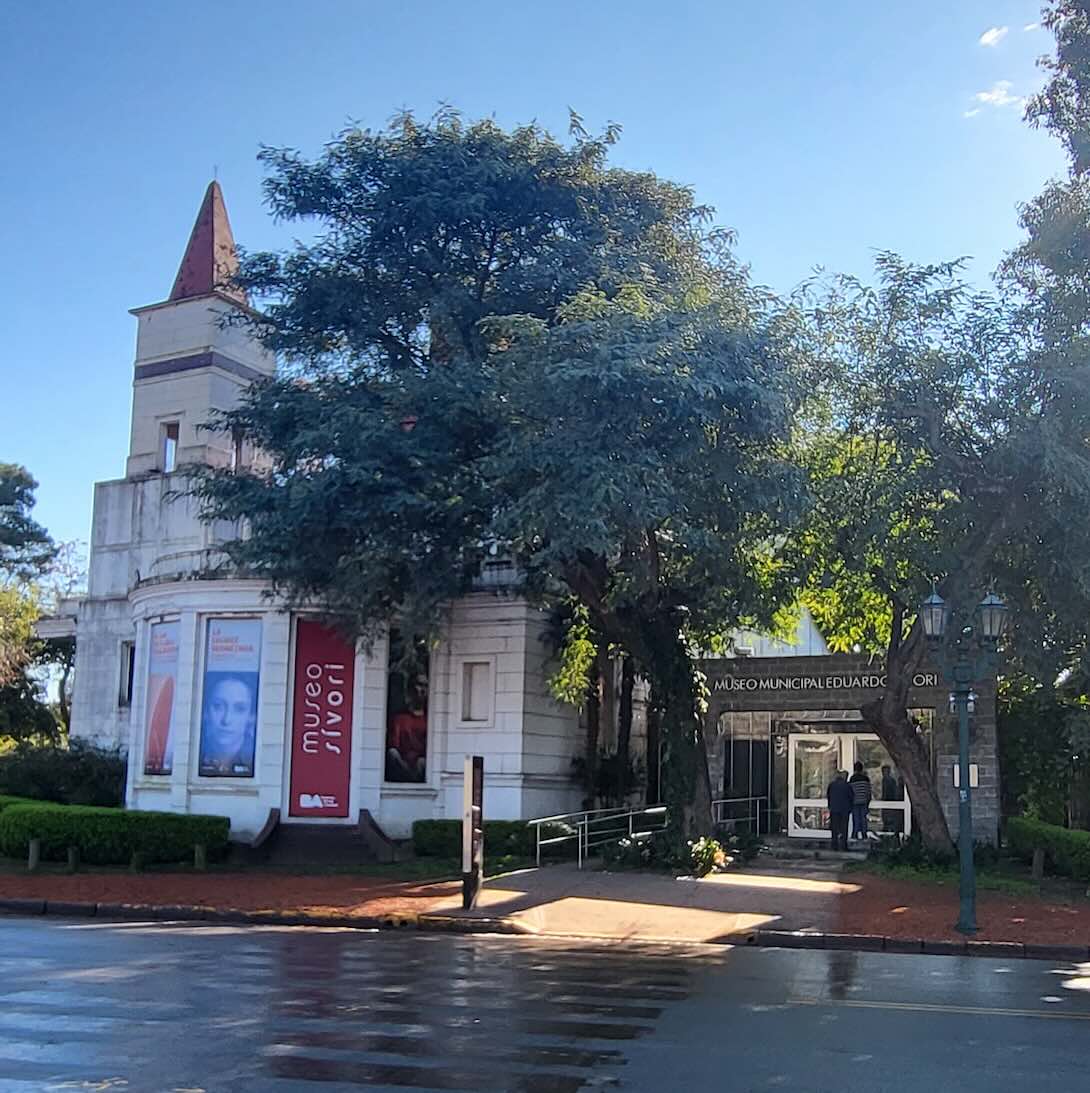
The Eduardo Sívori Museum of Fine Arts is located in Parque Tres de Febrero, Buenos Aires, and houses around 4,000 works of Argentine art from the 20th and 21st centuries. Founded in 1938 as the Municipal Museum of Fine Arts, it took its current name in 1946. Briefly merged with the Museum of Modern Art between 1976 and 1977, it later regained its independence. Since 1995, its headquarters have been in a building that originally served as a municipal lactarium and later a café. The museum honors the artist Eduardo Sívori.
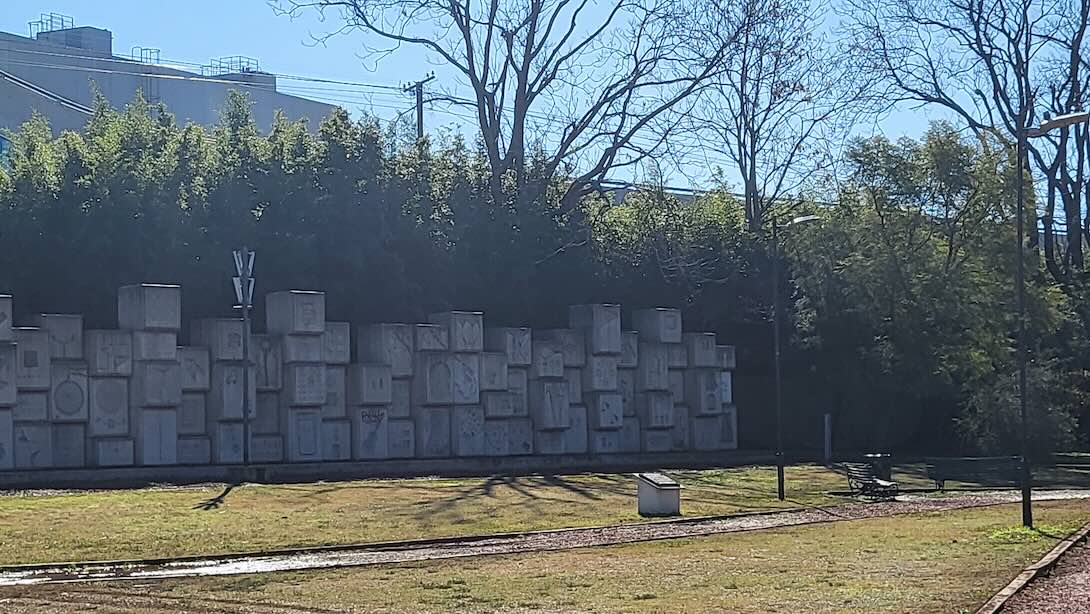
Shoah Plaza, located in Palermo, houses the National Monument to the Victims of the Jewish Holocaust, designed by architects Nielsen and Marsiglia. It was inaugurated in 2015 after years of political and social delays following the national law passed in 1996. The monument consists of 114 concrete blocks with imprints of everyday objects, symbolizing individual memories. It is situated between railway tracks and Avenida del Libertador. The plaza was established in 2013 as a space for reflection but faces tensions due to nearby commercial establishments. The official inauguration ceremony took place in 2016.
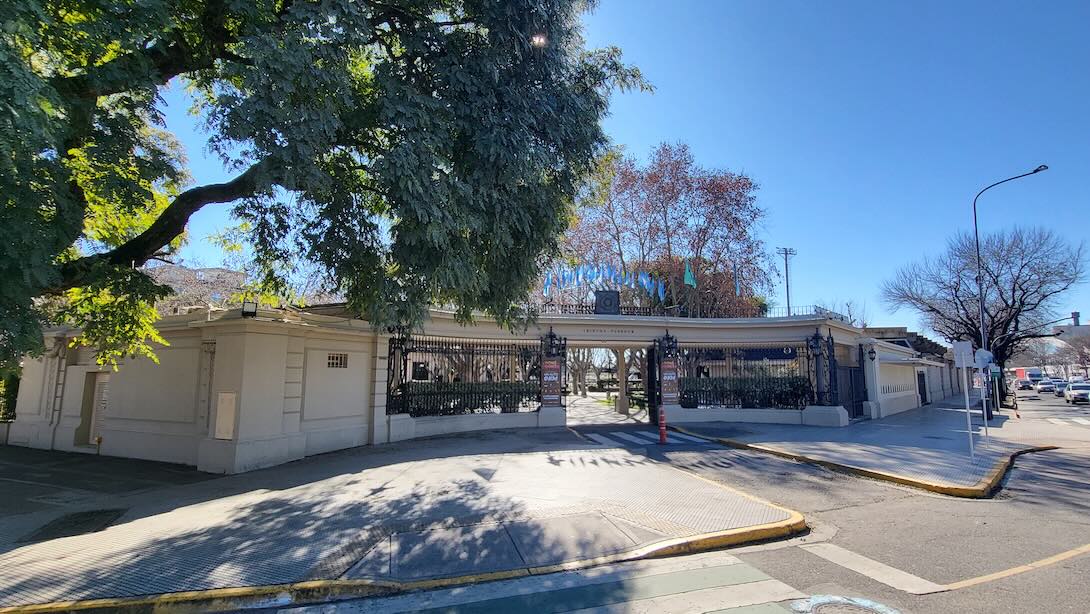
The Hipódromo Argentino de Palermo, founded in 1876, is Buenos Aires’s first formal horse racing venue. It features sand and grass tracks with a drainage system that allows races in any weather. In 1883, it came under the administration of the Jockey Club, which created the Stud Book. The first Gran Premio Nacional was held in 1885. In 1947, the Photochart system was introduced, and in the 1950s, female jockeys were allowed to compete. It was privatized in 1992 as HAPSA, with its concession extended until 2032. Legendary figures such as Irineo Leguisamo and famous horses like Botafogo and Lunático have raced there.
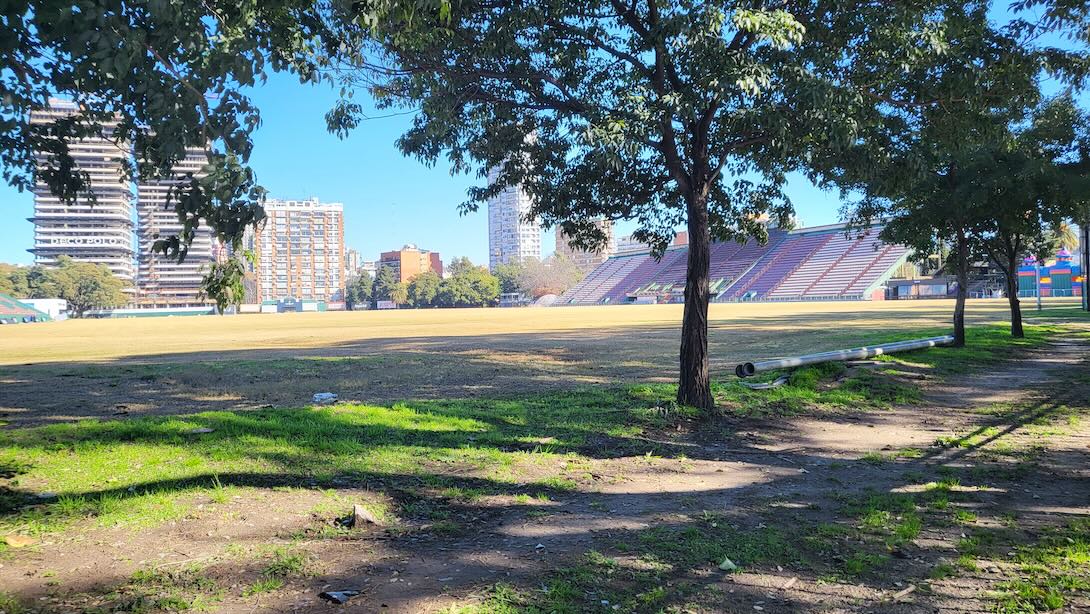
The Argentine Polo Field, known as the Cathedral of Polo, is located in Palermo, Buenos Aires. It belongs to the Argentine Army and hosts the main tournaments organized by the Argentine Polo Association. In November and December, it holds the Argentine Open Championship, the most prestigious polo tournament in the world. It also hosts the Argentina Cup and the Nations Cup. In autumn and spring, it hosts the finals of various national and international tournaments.
The King Fahd Islamic Cultural Center, known as the Palermo Mosque, is the largest Islamic temple in Latin America. It was inaugurated on September 25, 2000, in Buenos Aires, on a 3.5-hectare plot donated by the Argentine government to Saudi Arabia during Menem’s administration. The complex, valued at 20 million dollars, promotes Arab culture and Islam. The opening ceremony was attended by President Fernando de la Rúa, Crown Prince Abdullah bin Abdul Aziz, and leaders of various faiths. It stands out as a symbol of peace, culture, and religious freedom.
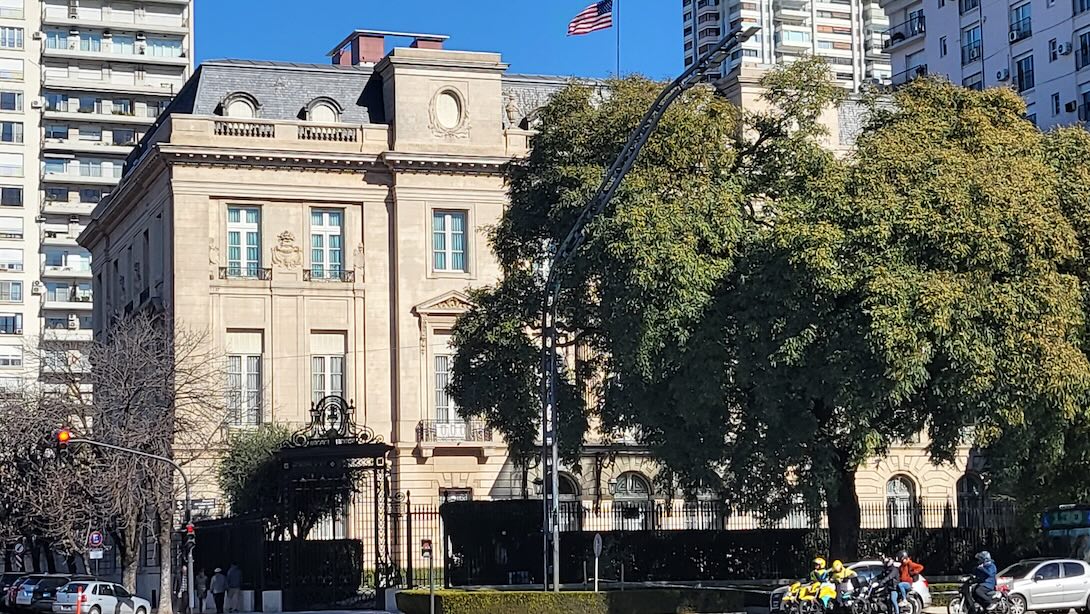
The Palacio Bosch is an elegant residence located in Palermo, Buenos Aires. It was designed in 1912 by French architect René Sergent for Argentine diplomat Ernesto Bosch. The family lived there from 1917, but in 1929, after the economic crisis, it was acquired by the United States as its embassy and official residence. It has hosted several U.S. presidents, including Roosevelt, Eisenhower, Bush, and Obama. Its interiors feature French materials, and its façade mimics stone, making it one of the city’s most luxurious palaces.
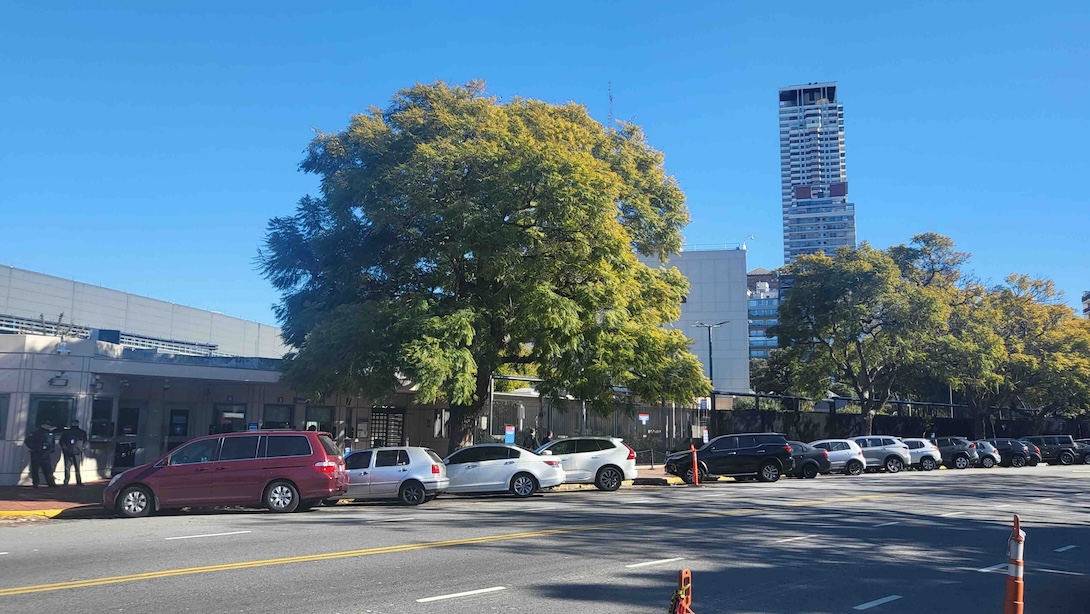
The consular section of the U.S. Embassy in Buenos Aires provides assistance to U.S. citizens (passports, voting, notarial services, Social Security) and processes visas for Argentine nationals, including non-immigrant visas (tourism, study, temporary work) and immigrant visas (permanent residence).
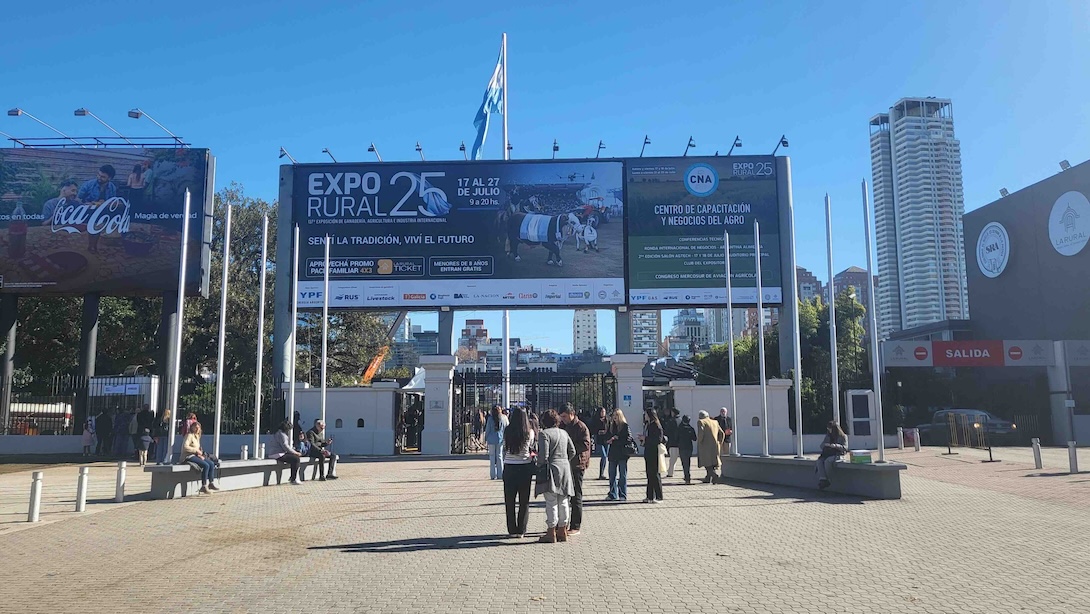
The Argentine Rural Society, founded in 1866, brings together large landowners and has played a key political and economic role, maintaining close ties with conservative governments and dictatorships, while often clashing with small rural producers and populist administrations. Its most emblematic event is the Livestock, Agriculture, and International Industry Exhibition—known as “La Rural”—held every July at the Palermo Fairgrounds. With 133 editions by 2022, it is the most important event in Argentina’s agribusiness sector, attracting thousands of exhibitors and over a million visitors. While strongly focused on livestock, the fair also includes agriculture, industry, commerce, and education. The venue features 45,000 m² of indoor space, green areas, and parking for 1,000 vehicles. It was founded in 1878 and acquired in the 1990s by the Society during President Carlos Menem’s term, in a sale later denounced for corruption and currently under judicial review.
This tour is free so everyone can enjoy it. But behind it are hours of preparation, passion, and love for this city. If you felt you discovered something special today, help us keep sharing it. With your donation, you make this possible. Thank you for valuing our work.
Write Us:
Go@free-buenos-aires.tours